

bloodborne
 1
4.2

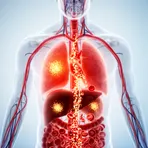
Carried in the blood and able to cause infection in people
- adjective
- /ˈblʌdˌbɔrn/
- Specialized
:
transmitido por la sangre
- Healthcare personnel must always wear gloves to prevent exposure to bloodborne pathogens.
Examples
-
Diseases such as hepatitis are classified as bloodborne infections due to their transmission through blood.
-
Before surgery, doctors test for any potential bloodborne diseases to ensure patient safety.
-
The transmission of the life-threatening HIV virus is not the only bloodborne pathogenic concern of healthcare, educational, and athletic personnel.
Academic text (1996)
Synonyms

 1
9.3
Spreads through the blood to other body parts
focuses on being transmitted through the blood, especially for diseases or pathogens
Surface Forms
bloodborne positive
Morphology
Etymology
Bloodborne is made of blood and borne, where borne means 'carried', as in airborne and waterborne. So bloodborne means 'carried in the blood', which is why we use it for diseases or viruses that spread through blood.