
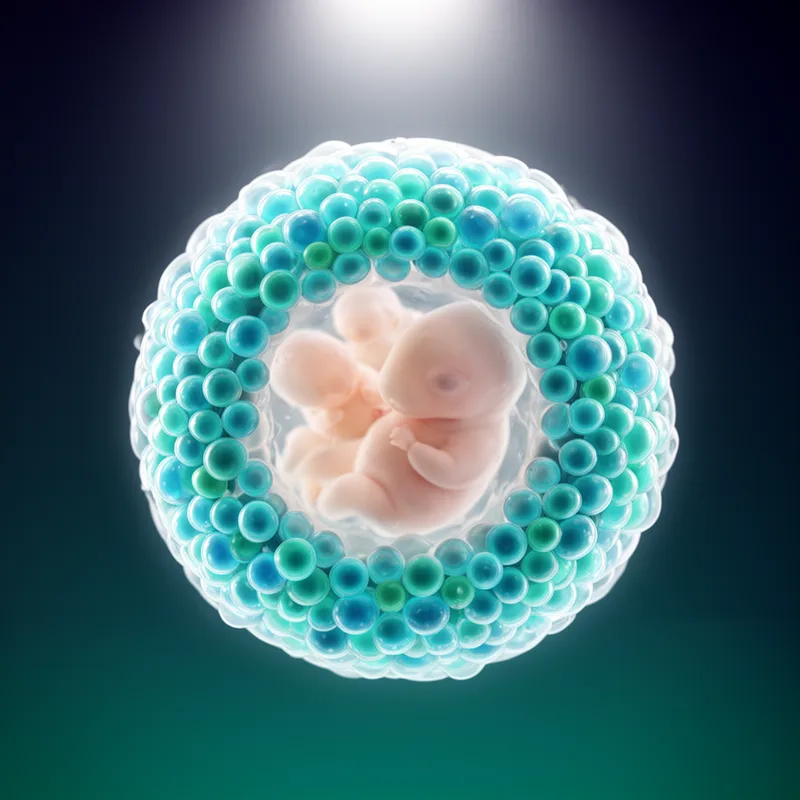
blastodermic
- adjective
- /ˌblæstəˈdɜrmɪk/
- Specialized
- The blastodermic layer gives rise to major tissues during embryonic development.
Examples
-
The blastodermic layer is crucial for early development.
-
Researchers studied blastodermic cell formation in early chick embryos.
-
Abnormalities in the blastodermic structure can lead to developmental disorders.
-
During embryogenesis, the blastodermic cells differentiate rapidly.
-
During embryogenesis, the blastodermic layer forms the essential outer cell structure.
-
Researchers investigated the blastodermic characteristics of cells in developing embryos.
-
The unique properties of blastodermic cells influence the formation of tissues in early developmental stages.
Synonyms
About the early layer of cells in an embryo, like in bird eggs
Compounds

- Specialized
An early stage of a mammal embryo when some cells start to become different
Surface Forms
Morphology
blastodermic = blastoderm (transparent) = blastoderm + ic
Formed by adding the adjectival suffix '-ic' to the noun 'blastoderm', so the meaning 'relating to a blastoderm' is directly predictable.
Etymology
Blastodermic comes from Greek parts blasto- meaning 'sprout' or 'germ', like the English word 'germ', and -derm meaning 'skin', so it describes the early 'skin' layer of growing cells in an embryo.

