

bipolarity
- noun
- /ˌbaɪˈpɔːlərɪti/
- Specialized
- The bipolarity of the magnet allows it to attract and repel different objects.
Examples
-
Scientists studied the bipolarity of the molecule to understand its chemical behavior.
-
The device relies on the bipolarity of its components to function correctly.
-
The bipolarity of the battery allows it to store energy efficiently.
-
Can you explain the concept of bipolarity in physics?
-
The bipolarity of the magnet allows it to attract and repel different objects.
-
The bipolarity of the battery allows it to store energy efficiently.
-
Researchers examined the bipolarity of the molecule to better understand its interactions.
Synonyms

 17
6.8
17
6.8

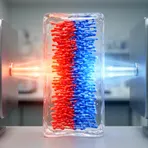
Opposite electrical or magnetic ends, like positive and negative
 2
6.8
2
6.8
A material that has one side positive and the other negative
How Polar
- Specialized

- Specialized
17
6.8
Surface Forms
Morphology
Etymology
Bipolarity comes from bi- 'two', as in bicycle, and polar, from pole 'end', like the North and South poles of a magnet. So, bipolarity means having two opposite poles, such as positive and negative charges.