
bipolar


 1
7.3
1
7.3
- adjective
- /ˈbaɪˌpoʊlər/
- The scientists traveled to both the Arctic and Antarctic to collect data from the bipolar regions of the Earth.
- bipolar transistor
Examples
-
Researchers study the unique climate patterns of the bipolar regions to understand their ecological significance.
-
Many animals, including polar bears and penguins, are adapted to survive in bipolar environments.
-
The border cities are evolving from bipolar communities to complex, pluralist places.
Academic text (1996) -
The changing face of Eastern Europe and the demise of the Soviet Union ended bipolar rivalry as we had known it.
Academic text (1994) -
Twentieth-century bipolar seesaw of the Arctic and Antarctic surface air temperatures.
Blog text (7) -
In these terms, the general situation within which the "new world disorder" operates is the change from a relatively well-regulated bipolar environment, dominated by the United States and the Soviet Union, to a more volatile multipolar world.
Academic text (1993) -
During the first nine months of 1989, Soviet diplomats and academics had, in fact, assiduously avoided using the term "superpower" to refer to the USSR because it carried with it connotations of the old bipolar U.S.-Soviet rivalry.
Academic text (1993)
Compounds

Surface Forms
Morphology
Etymology
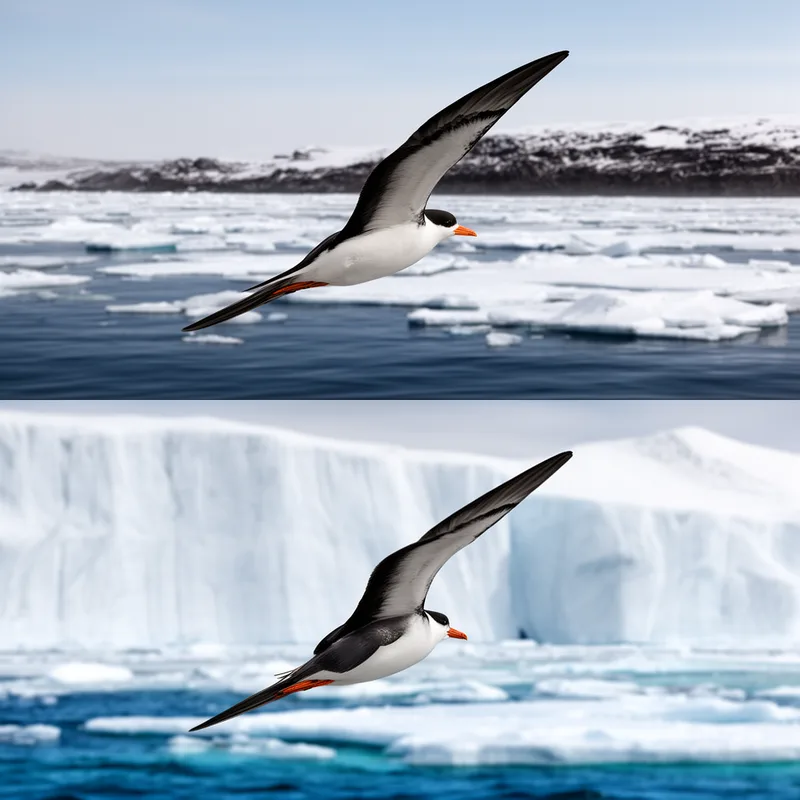
Bipolar comes from bi- meaning 'two' as in the word bicycle and polar meaning 'poles' or 'north and south', so a bipolar species is one that lives at both of the Earth's poles, the Arctic and the Antarctic.