
biotransformation
- noun
- /ˌbaɪoʊtrænsfərˈmeɪʃən/
- Specialized
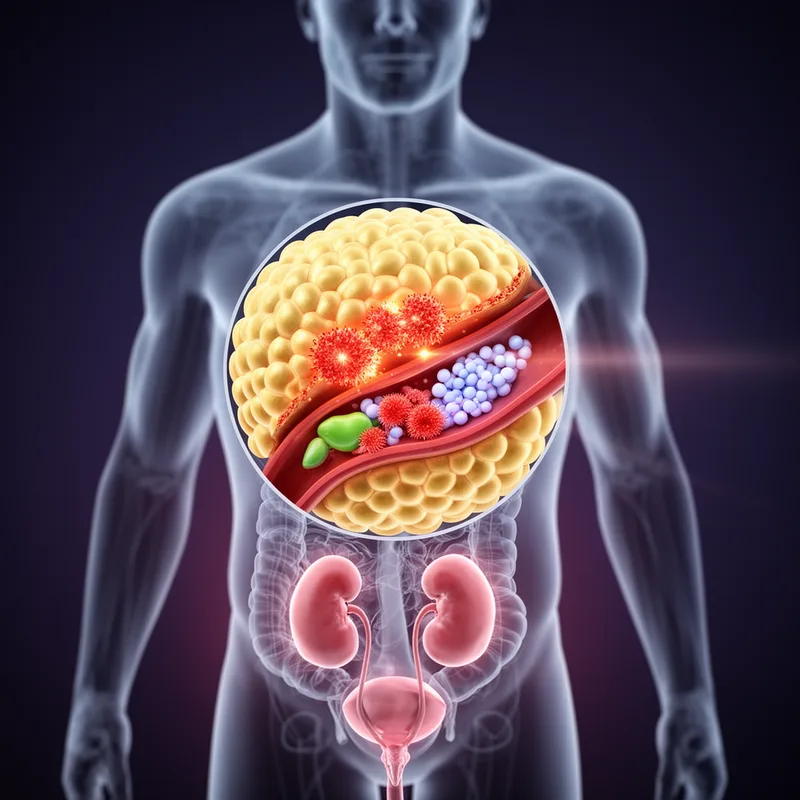
- The liver plays a major role in the biotransformation of many drugs, helping to convert them into less harmful substances.
Examples
-
Moreover, individuals with dental amalgams are exposed to continuous long-term amounts of mercury (in vapour form and in organic form from biotransformation by oral bacteria).
Academic text (2002) -
The fluctuations in treatment effects in all the parameters suggest changes in the biotransformation or bioavailability of the drugs across the intervals.
Academic text (2007) -
The biotransformation of toxins in the environment is essential for maintaining ecosystem health.
-
Researchers study biotransformation to understand how plants can break down environmental pollutants.
Synonyms
 1
4.6
1
4.6

A process where living things like bacteria break substances into natural parts
Surface Forms
Morphology
biotransformation = transformation (semi-transparent) = bio + transform + ation
The word combines bio- with transformation, but the technical biological sense is only partly predictable for a typical B1 learner.
Etymology
Biotransformation comes from bio- meaning 'life' and transform meaning 'to change', so the word literally means 'life changes'. In biology it refers to living cells, like those in the liver or in bacteria, changing a chemical so the body can remove it or make it less harmful.