
biopolitics
- noun
- /ˌbaɪəʊˈpɒlɪtɪks/
- Formal
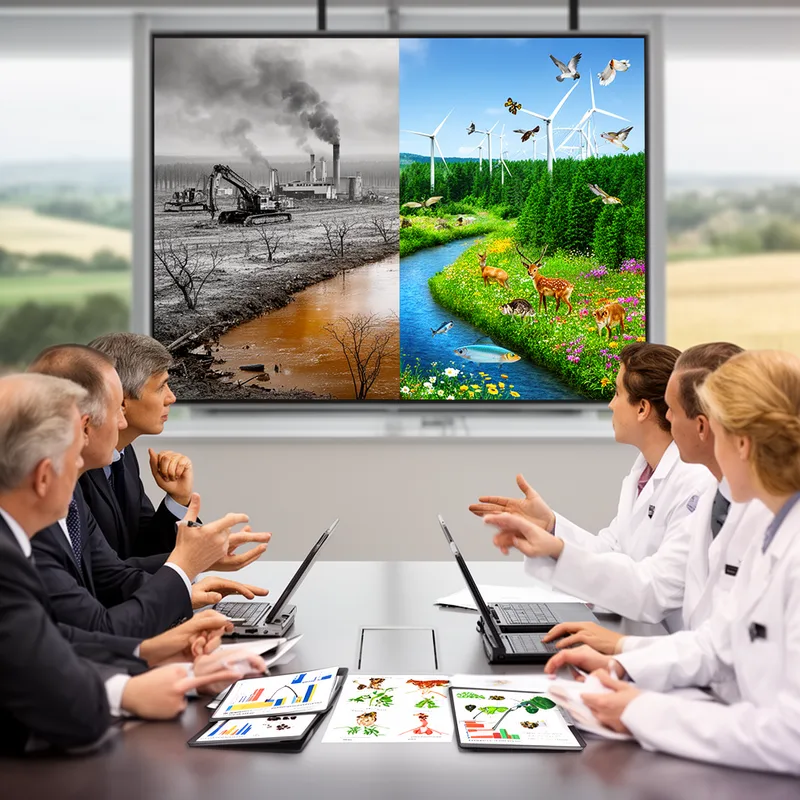
- In discussions of biopolitics, researchers analyze how laws shape the management of natural ecosystems.
Examples
-
The benefits would go far beyond simply exchanging technical information, as widely divergent stakeholders interested in technology, agriculture, wildlife, animals, plants, and biopolitics would be given the opportunity to better understand one another's needs while identifying common strategies to protect all valuable genetic resources.
Academic text (1997) -
As Neyrat observes in 'Biopolitics of Catastrophe', the anthropocentrist dynamic of the past four centuries, in extending human 'organization' into the space of others outside of itself, has in the process been destroying its own space.
Blog text (19) -
For Foucault's elaboration of homo oeconomicus, see the eleventh lecture in The Birth of Biopolitics #16.
Academic text (2016) -
My understanding of the larger effects of neoliberal economic policy relies heavily on Michel Foucault's invaluable The Birth of Biopolitics, especially on lectures nine through eleven.
Academic text (2016) -
The study of biopolitics helps us understand the relationship between governance and biological diversity.
-
Biopolitics examines how political decisions impact environmental conservation and public health.
Surface Forms
Morphology
Etymology
The word biopolitics comes from bio- 'life', as in biology, and politics 'decisions about people and government'. So in this sense biopolitics is about how political choices shape the use and protection of living things like animals, crops, forests, and biotechnology.

