
binitarian


 1
9.9
- adjective
- /bɪˈnɪtɛriən/
- Jargon
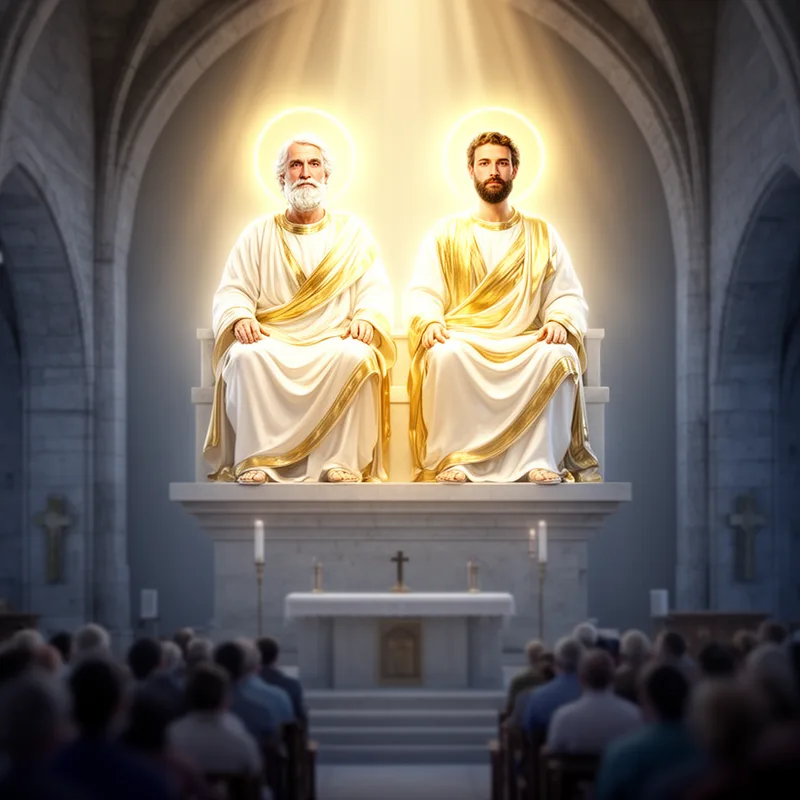
- The concept of binitarian worship emphasizes the importance of both the Father and the Son.
- binitarian worship
Examples
-
In contrast, Hurtado proposes that the Jesus movement developed "an apparently distinctive and variant form of exclusivist monotheism" based in a "binitarian" pattern of worship.
Academic text (2007) -
For Hurtado, the practice of binitarian worship is crucial.
Academic text (2007) -
They remembered Jesus in what they did, including their practice of "binitarian" worship, and in where they imagined Jesus the Christ to be.
Academic text (2007) -
It is "binitarian" because
Academic text (2007) -
Second, in this way it is possible to see that the "binitarian" worship pattern discerned by Hurtado in the very early Jesus movement may not be a practice that oppression creates, but a worship practice that subverts oppressive structures.
Academic text (2007) -
Many scholars believe that the early church followed a binitarian approach to understanding the divine.
-
Some theologians argue that binitarian beliefs can coexist with traditional monotheism.
Surface Forms
Morphology
binitarian = binit + arian
The word is formed from the combining form binit- (twofold) plus the productive suffix -arian; the general idea 'two' + '-arian' is deducible, but the combining form 'binit-' is not a standalone English word, so full transparency is limited for learners.
Etymology
Binitarian comes from the part bi- meaning 'two', the same bi- you see in bicycle and binary. It was formed like trinitarian (from trinity 'three'), so binitarian describes a belief that God has 'two' persons or aspects.