
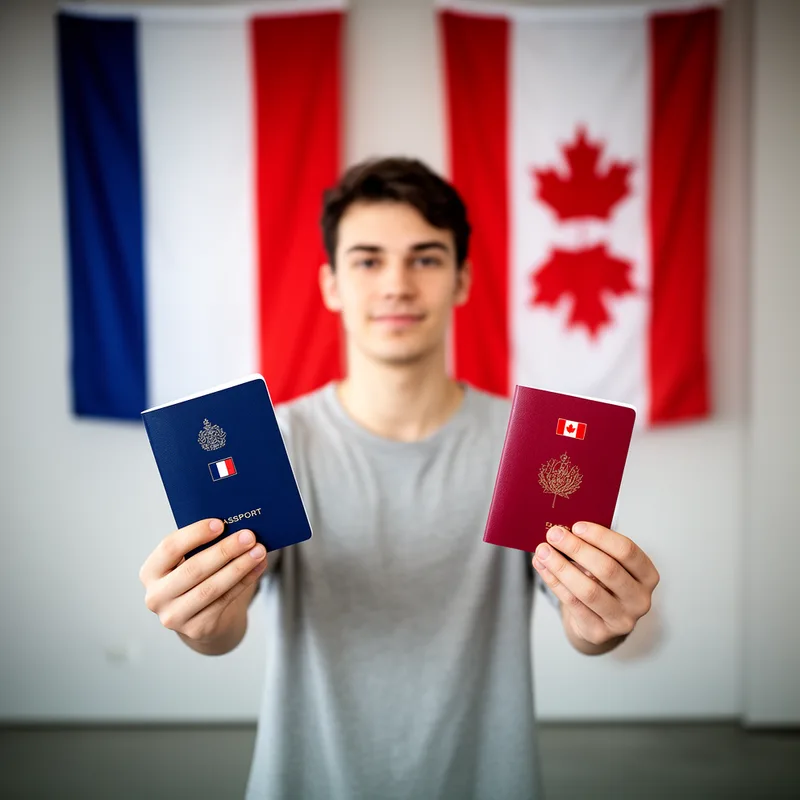
binational


 1
6.5
- adjective
- /ˌbaɪˈnæʃənl/
- The Institute is a binational entity; the joint creation of the law schools at Case Western Reserve University School of Law and the University of Western Ontario in London, Ontario.
Examples
-
The coalition would group "all parties to the left of Kadima" in a single bloc, even the Communist Hadash party, which includes Arab Israeli political movements that promote a binational state and the dismantling of Zionism.
Academic text (2011) -
Binational coverage provides a promising alternative.
Academic text (2011) -
The two-state solution represents the best chance to achieve peace as opposed to trying to establish Palestinian autonomy or the creation of a single, binational state comprising both Israeli and Palestinian entities.
Academic text (2005) -
Binational coverage, in which entities (i.e., insurance, health care system) on both sides of the US-Mexico border share coverage and care, would capitalize on such findings, likely improving access for farmworkers.
Academic text (2011) -
Raul and Maria decided to raise their children in a binational household, celebrating both their American and Mexican heritages.
-
As a binational citizen, she has the right to vote in both her home country and her adopted country.
-
The conference addressed the challenges faced by binational families living along the US-Mexico border.
Surface Forms
Morphology
Etymology
Binational comes from bi- ('two') and national ('nation' or 'country'), so it literally points to 'two countries'. A binational person has legal citizenship or official ties to two countries at the same time.