
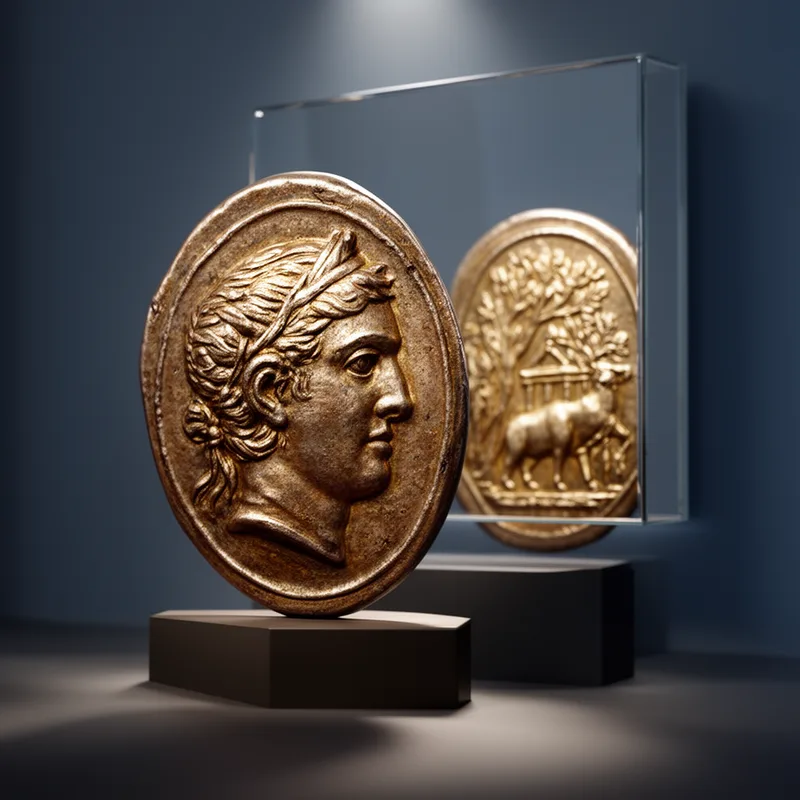
biface
- adjective
- /ˈbaɪfeɪs/
- The sculpture was designed as a biface piece, allowing viewers to appreciate it from both sides.
Examples
-
Ancient coins are sometimes biface, showing different images on each face.
-
This mirror is biface, giving you a view from either angle.
-
The archaeologist discovered a biface stone tool at the excavation site.
-
The artifact was distinctly biface.
-
Is this tool biface?
-
The sculpture was designed as a biface piece, allowing viewers to appreciate it from both sides.
-
Ancient coins are sometimes biface, showing different images on each face.
Synonyms
 3
3.4
3
3.4

Having a particular number of flat surfaces


 1
2.7
1
2.7
Having two sides that can both be used, like tape or cloth

Having two different sides or surfaces

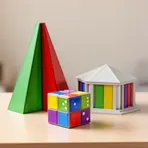
A building or object with two front sides that face different directions
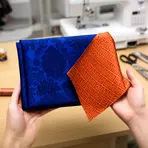
Fabric that can be used on both sides, often with different patterns
Surface Forms
Morphology
Etymology
Biface is made from the parts bi- ('two') and face ('face'), so it literally means 'two-faced' or having two fronts. That's why we call something biface when it has two sides or two surfaces you can see.