
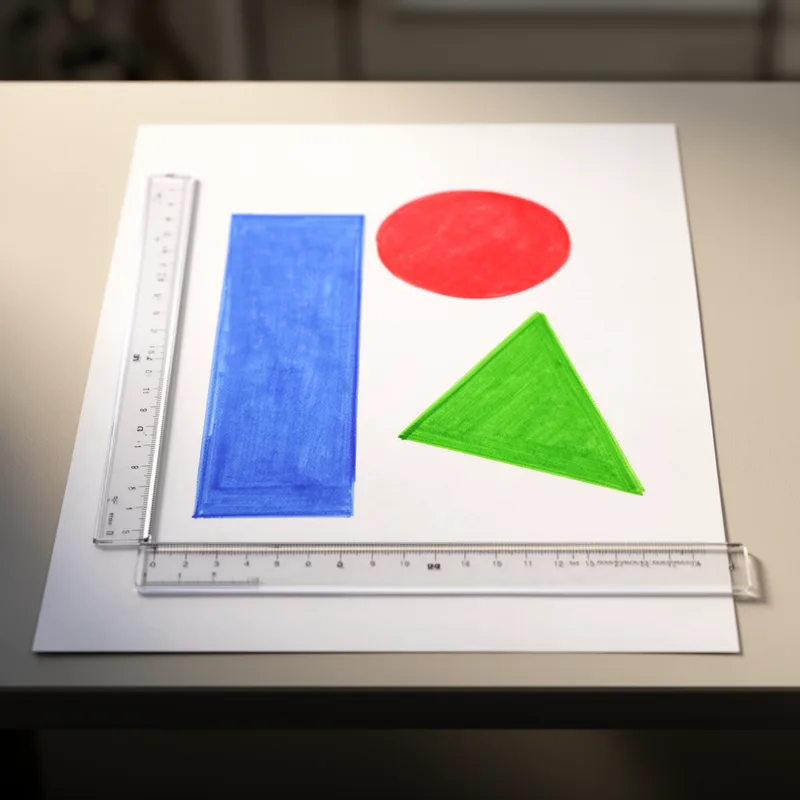
bidimensional
- adjective
- /ˌbaɪdɪˈmɛnʃənl/
- Specialized
- In art, a bidimensional image gives the illusion of depth with the use of perspective.
- bidimensional scale
- measuring bidimensional
Examples
-
The substantial amount of variance explained and the significantly large loadings suggest that the 14-item bidimensional scale, MAS-R, is a valid instrument to measure mathematics anxiety with both positive and negative effects.
Academic text (2009) -
In other words, both high-anxiety and low-anxiety students can respond well to this bidimensional scale so that their relative positions on positive and negative affects can be accurately located.
Academic text (2009) -
Therefore, the two-factor measurement model has excellent construct validity in representing mathematics anxiety on a bidimensional scale.
Academic text (2009) -
The fact that the two-factor solution was significantly better than the one-factor solution indicates that the bidimensional scale optimally captured the two dimensions of mathematics anxiety.
Academic text (2009) -
The revised 14-item bidimensional Mathematics Anxiety Scale (MAS-R) was found to have high internal consistency reliability, parallel-item consistency, and construct validity.
Academic text (2009) -
A bidimensional object can be represented on a flat surface by showing its length and width.
-
Most graphs are bidimensional, displaying two variables along the X and Y axes.
Synonyms

 7
3.5
7
3.5

Has only length and width but no depth
How Dimensional
9
6.6
 36
3.9
36
3.9
- Specialized
- Specialized
2
4.7
Surface Forms
Morphology
bidimensional = dimensional (transparent) = bi + dimension + al
Formed by adding the prefix 'bi-' ('two') to 'dimensional', yielding the literal meaning 'having two dimensions'.
Etymology
Bidimensional begins with bi-, like in bicycle, meaning 'two', and uses dimension meaning 'direction' or 'measure'. So bidimensional describes something with two directions, like length and width, for example a flat picture or a map.