
beta ray


 1
7.5
1
7.5
- noun
- /ˈbeɪtə reɪ/
- Specialized
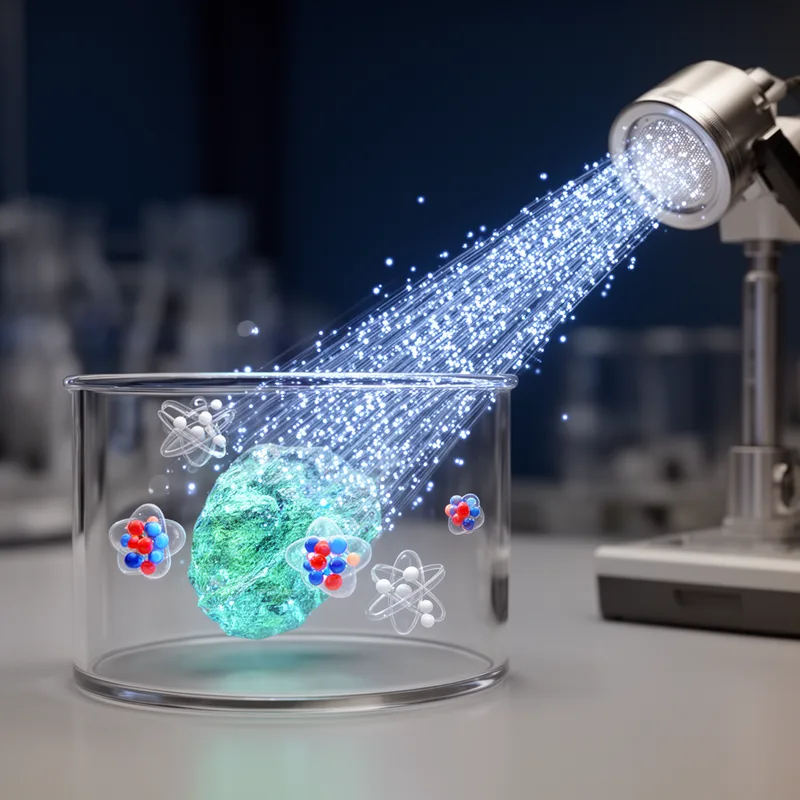
- During radioactive decay, beta rays are emitted as streams of beta particles.
Examples
-
The radiation emitted by the radioactive material included several types of rays, notably alpha rays and beta rays.
-
Once this is done, all the events which occur are similar to those produced by an original beta ray.
Blog text (8) -
Th-232 absorbs a neutron and emits a beta ray.
Blog text (32) -
The name is appropriate because the high-speed electrons (beta rays) passing through living tissue actually rip negatively charged electrons from atoms, leaving positively charged ions.
Blog text (8) -
After a period averaging a little less than a month, Pa-233 emits a second beta ray and is transformed into U-233. U-233 is fissionable and is a very good reactor fuel.
Blog text (32) -
As an element undergoes radioactive decay, it releases various particles, including alpha and beta rays, into the surrounding environment.
Synonyms
 1
6.3
1
6.3
A type of energy made of small fast particles released by radioactive materials
 1
8.1
1
8.1
A stream of very small bits of matter, like atoms, that carries energy and can pass through things

A radioactive material sends out fast electrons during decay

A flow of very small particles from radioactive sources that can pass through matter
Surface Forms
Morphology
A B1 learner who knows 'ray' (a beam) will likely infer that 'beta ray' denotes some kind of beam or radiation, but 'beta' as 'the second Greek letter' does not by itself signal radioactive particles to non-technical learners. The term is partly compositional (ray → beam/radiation) but relies on specialized scientific convention (alpha/beta/gamma labeling) to get the full meaning, so it is only partially predictable.
Etymology
Beta ray comes from early scientists who used Greek letters and called the second kind of radiation beta and the radiation a ray. These beta rays are streams of tiny particles that atoms send out when they break down, so today beta ray means a beam of those fast particles.