

bereavement
 11
7.0
11
7.0

- noun
- /bɪˈrivmənt/
- He found it hard to cope with his bereavement following the death of his close friend.
- bereavement process
- bereavement and grief
- parental bereavement
Loading YouTube…
Watch on YouTubeAnd this GP said, have you had a recent family bereavement?
- And this GP said, have you had a recent family bereavement?
- And yeah, it was, it was the first time I come face to face with recently bereaved people and where that bereavement was a child.
- There are wonderful trained therapists, bereavement groups, psychiatrists that are expert in navigating these sorts of things.
- Whereas if you're talking about straight up loss, like a betrayal or a bereavement or whatever it is, that's it's different, it's quite overwhelming.
Examples
-
There are wonderful trained therapists, bereavement groups, psychiatrists that are expert in navigating these sorts of things.
-
If anyone says that bereavement is easier when a loved one has lived a long life, I have to say that's not my experience.
-
Did you guys get your bereavement pay yet?
-
Believe me, my dear, I still remember my own bereavement clearly enough.
Fiction book (1990) -
- You should come tomorrow to the bereavement meetings with me.
-
'I'm sorry to hear about your recent bereavement.
-
May I extend our sympathy in your bereavement?
-
I've got a bereavement to go to.
-
And likewise, we thanks you for his wife, dear sister Mary Ellen, who we are praying for in her hour of bereavement.
-
In addition, many Korean immigrant elders suffer from bereavement and financial problems.
Academic text (2011)
Synonyms
 795
2.6
795
2.6
The death of someone close to you
 443
2.1
443
2.1
Deep sadness after you lose someone or something important
 229
1.0
229
1.0
A feeling of being unhappy
 79
4.8
79
4.8
Strong emotional pain you feel after losing someone or when love fails
 76
3.9
76
3.9
A very strong sadness after losing someone you love
 13
5.8
13
5.8
A feeling of extreme sadness and shock after a big loss
 8
3.9
8
3.9
A period after someone dies when people show deep sadness
 4
3.7
4
3.7
A very strong feeling of sadness after a great loss


 1
6.5
1
6.5
A deep, quiet feeling or look of sadness
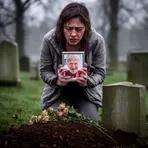
A deep feeling of sadness about a loss

Deep, quiet sadness often caused by grief

Deep sadness after losing someone you love

Very deep sadness that feels too strong to understand
Antonyms

How Sad

Surface Forms
Morphology
Etymology
Bereavement comes from the old verb bereave, which meant 'to take away' or 'deprive', often by death. So bereavement is the state of being left without someone you love.