
berberine
 2
8.9

- noun
- /ˈbɜr.bə.riːn/
- Specialized
- Researchers found that berberine can be effective in improving cholesterol levels in patients.
- berberine plant
Loading YouTube…
Watch on YouTubeAnd there are some other substances like sodium cup rate, which are known to augment the effects of berberine via the AMPK pathways.
- And there are some other substances like sodium cup rate, which are known to augment the effects of berberine via the AMPK pathways.
- But berberine and metformin are very high potency glucose disposal agents.
- Taking a herbal supplement like berberine which comes from bayberry leaf would be another good option for you.
- When I took berberine and did not ingest large amounts of simple sugars or carbohydrates along with it, I experienced profound hypoglycemia.
Examples
-
Berberine is often used as a dietary supplement to support healthy blood sugar levels.
-
BBR can decrease homocysteine, which indicates that berberine has a beneficial effect in preventing atherosclerosis.
Blog text (22) -
Taking a herbal supplement like berberine which comes from bayberry leaf would be another good option for you.
-
Many studies subsequently demonstrated that berberine has beneficial effects in the improvement of lipid and glucose metabolism.
Blog text (22) -
In 1986, Chen et al. first reported that berberine can lower serum glucose levels, besides being anti-inflammatory.
Blog text (22) -
Berberine (BBR), a natural alkaloid extracted from Coptis chinensis, is used for diarrhea treatment.
Blog text (22) -
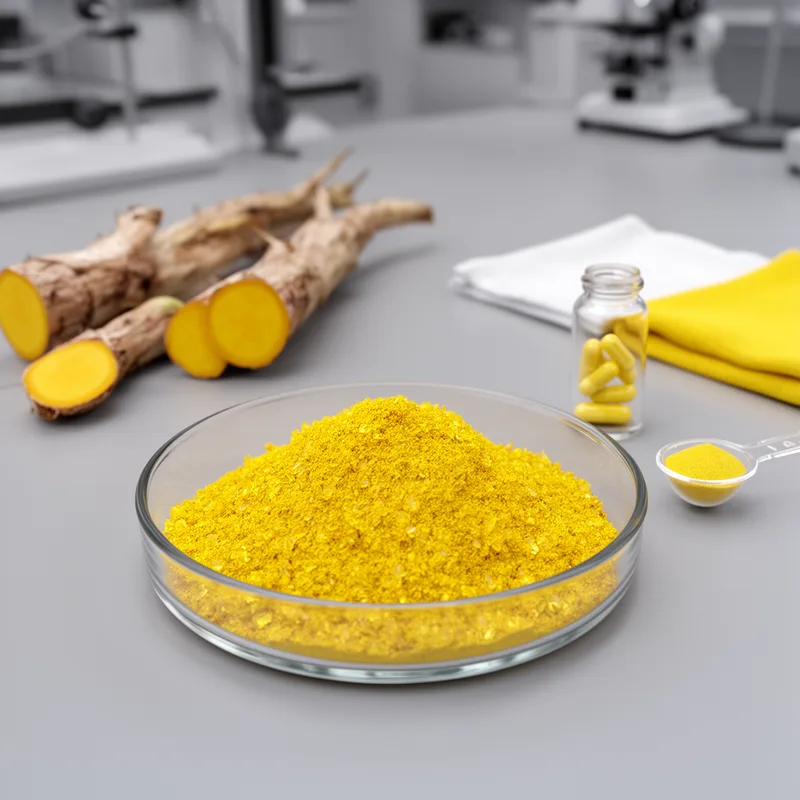
The yellow compound berberine is extracted from plants such as goldenseal and is known for its medicinal properties.
Surface Forms
Morphology
berberine = barberry (opaque) = berber + ine
Formed from the plant name (barberry/Berberis) plus the chemical suffix '-ine'; the specific meaning 'a yellow alkaloid' is not deducible for an average learner from the parts.
Etymology
Berberine comes from the plant name barberry, which got its name from the Berber people of North Africa. The yellow chemical from that plant was called berberine, so thinking of the bright yellow barberry helps you remember that berberine is a yellow substance found in certain plants.