
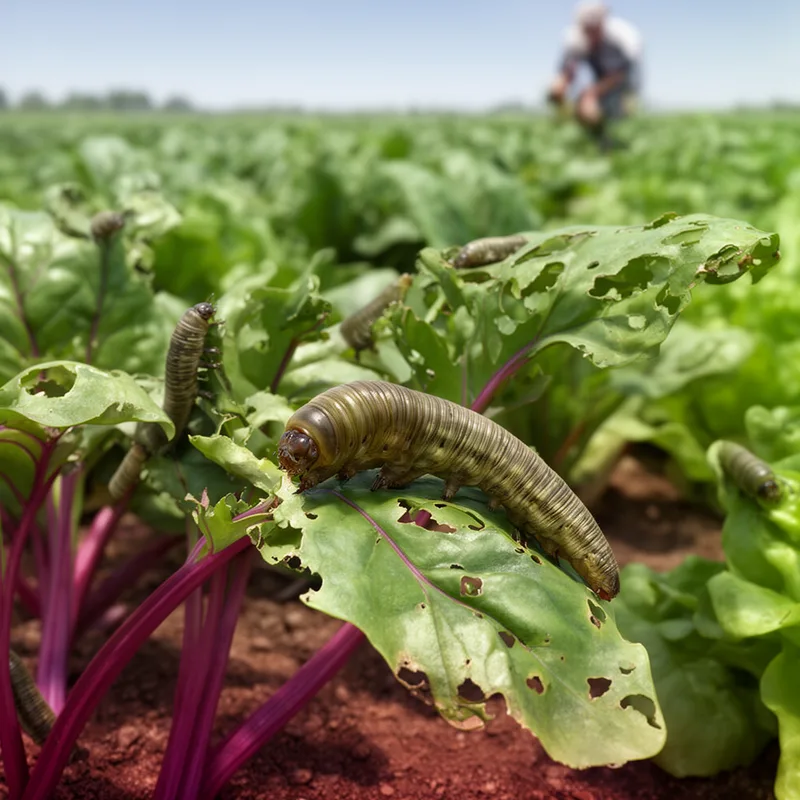
beet armyworm
- noun
- /bit ˈɑrmiˌwɜrm/
- Specialized
- Infestations of beet armyworm can devastate fields of spinach, lettuce, and other leafy greens.
Examples
-
The beet armyworm is resistant to several common pesticides, making it difficult to control.
-
Farmers often lose significant crops to the beet armyworm each year.
-
The beet armyworm is a serious pest for farmers.
-
Farmers often struggle with beet armyworms during the summer.
-
Farmers often lose significant crops to the beet armyworm each year.
-
Infestations of beet armyworm can devastate fields of spinach, lettuce, and other leafy greens.
-
The beet armyworm is resistant to several common pesticides, making it difficult to control.
Synonyms
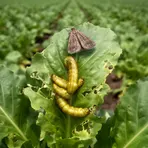
A moth whose caterpillars, called beet armyworms, eat many crops
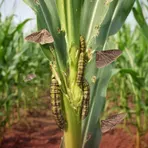
A group of moths whose caterpillars, called armyworms, eat farm crops

A caterpillar that moves in large groups and eats crops like grass and grain
Surface Forms
Morphology
The meaning is directly derivable from the parts: 'beet' names the host plant and 'armyworm' denotes a larval pest that moves in groups, so together they refer to an armyworm that attacks beets. This is a regular noun‑noun compounding pattern found cross‑linguistically and would be understandable to a B1 learner who knows both constituents.
Etymology
Beet armyworm is a name that gives a clear picture: beet shows what it eats and armyworm describes many caterpillars moving like an army across fields and eating leaves. That's why it means 'a small caterpillar that attacks beet and other vegetable crops and can cause serious damage'.

