

to be in the wars
 3
9.3
3
9.3

- idiom
- UK
- After facing numerous challenges in his life, he felt like he had been in the wars for years.
Examples
-
This one's been in the wars.
Fiction book (2002) -
You've been in the wars a bit, haven't you, Frank?
-
You've been in the wars, huh?
-
"Hell, you've been in the wars, haven't you?" Stan said, turning back to his leeks.
Fiction book (2002) -
She definitely has been in the wars; her experiences have shaped her into a strong person.
-
Whenever we talk about our struggles, I remind her that she has been in the wars and come out stronger.
Synonyms
 2
6.0
2
6.0
Damaged by war or long hardship, often with visible marks


 1
7.0
1
7.0
People deeply hurt emotionally because of war
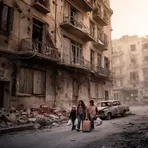
Damaged and tired after long years of war
Antonyms


How Injured

Surface Forms
Morphology
The noun 'war(s)' evokes suffering or damage, so a learner who knows the constituents could infer a general idea of hardship; however the idiomatic British expression 'be in the wars' specifically means to look battered or to have suffered knocks/troubles, which is a metaphorical, colloquial extension not fully predictable from literal meanings. Because the precise sense and usage are regionally idiomatic and require prior exposure for full comprehension, it is best classified as partially transparent.
Etymology
Be in the wars comes from the picture of people who had been in real fighting, like soldiers or fighters who returned from the wars with cuts, bruises and torn clothes. So today, saying someone 'has been in the wars' means they look beaten, hurt, or like they have had many problems.