

basil mint
- noun
- /ˈbeɪzəl mɪnt/
- US
- She rubbed the leaves of basil mint between her fingers to release their aroma.
Examples
-
The garden was filled with the fresh scent of basil mint after the rain.
-
I love adding basil mint to my salads.
-
Native to the eastern United States, basil mint is often used in herbal remedies.
-
Have you tried basil mint tea?
-
The garden was filled with the fresh scent of basil mint after the rain.
-
She rubbed the leaves of basil mint between her fingers to release their aroma.
-
I love adding basil mint to my salads.
Synonyms
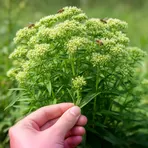
A plant that lives for many years with narrow mint-scented leaves and small green flowers
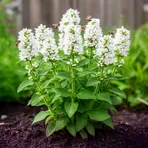
A small plant that lives for many years with scented leaves and small white flowers

A North American herb with a strong mint smell often made into tea
Surface Forms
Morphology
This is a straightforward noun–noun compound: a B1 learner who knows 'basil' and 'mint' can infer it refers to an herb related to or combining qualities of basil and mint. The compositional pattern (type-of herb named by its constituents) is regular and cross-linguistically common, so the meaning is directly derivable from the parts.
Etymology
Basil mint may come from the herb's smell and look: its leaves smell a bit like basil and also like mint, so people put the two words together to name it. That's why the name tells you about the plant's scent.

