
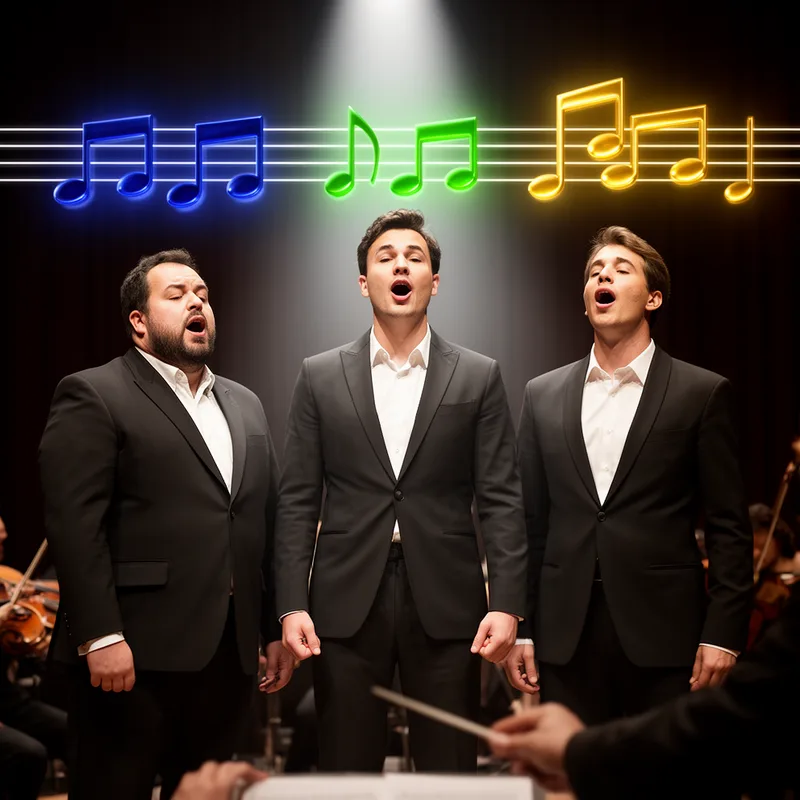
baryton
- noun
- /ˈbɛrɪtɒn/
- Archaic
 :
barítono
:
barítono
- He trained for years to perfect his baryton and perform in classical concerts.
Examples
-
He has a rich baryton voice that captivates the audience.
-
The opera featured a singer with a powerful baryton who captivated the audience.
-
In older musical scores, the term baryton is sometimes used instead of baritone.
-
The choir featured a talented baryton soloist last night.
-
The composer wrote a piece specifically for a baryton solo, showcasing its rich and warm tones.
-
His deep, resonant voice as a baryton captivated everyone in the audience during the concert.
-
The old opera house featured a famous baryton, known for his performances that blended power and emotion.
Synonyms

 22
4.5
22
4.5

A male singer with a low warm voice between tenor and bass
How Low


Surface Forms
Etymology
Baryton comes from a Greek word that means 'heavy tone', from barýs 'heavy' and tonos 'tone'. So a baryton voice is a lower, darker male voice between tenor and bass, and it has the same root as baritone.