

bachelor
 99
1.3
99
1.3

- noun
- /ˈbætʃələr/
- You're a very eligible bachelor, Mr. Pepper.
- remain a bachelor
Loading YouTube…
Watch on YouTubeAnd we find this old bachelor and his kind of spinster sister.
- And we find this old bachelor and his kind of spinster sister.
- He goes, Ty, I am going to live the bachelor life like you've been living.
- And he was literally living like a bachelor almost.
- Deck sounds like is it proper like, you know, bachelor pads.
Examples
-
And according to eligiblelamen.com, he's one of the city's most eligible bachelors.
-
-I'm a bachelor, Your Honor.
-
I was just here for a friend's bachelor party.
-
We gave him a bachelor dinner the night before.
-
At that time, Professor Sasashima, a bachelor, had been living in the same apartment house.
Fiction book (1993) -
How long will twelve thousand dollars last an unemployed bachelor with no dependents and no costly tastes?
Fiction book (1991) -
You know, Liz, I don't have to tell you, I'm a very eligible bachelor.
-
Tonton Georges, the indefatigable bachelor war hero, was also my godfather.
Fiction book (1997) -
Men like Onik, who remained bachelors, usually boarded with relatives or friends and became everyone's "uncle."
Academic text (1993) -
He is a bachelor who enjoys spending weekends hiking in the mountains.
Synonyms
 96
1.8
96
1.8
A person who is not married or in a romantic relationship
 3
1.0
3
1.0
A man who has never been married
 1
5.6
1
5.6
A man who chooses to stay unmarried for a long time
Antonyms

Compounds
 138
2.8
138
2.8
A party for a man before he gets married with his male friends to celebrate
 4
3.4
4
3.4
A first university degree in science subjects that usually takes three to five years
 2
3.8
2
3.8
A first university degree in subjects like languages, history, and social sciences



A university degree that teaches how to work in and run libraries

A university degree in nursing that combines arts and science subjects

A first university degree in religious study for people training as Christian ministers




A first university degree about designing and planning buildings


How Pleasure-Seeking

Surface Forms
Etymology
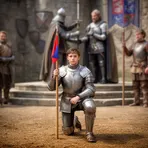
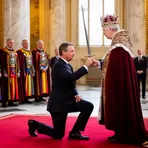
Bachelor first meant a young man or a low-ranking knight in medieval times, coming from Old French bacheler and Latin baccalarius which meant 'young man' or 'serving knight'. So the word later came to mean an unmarried man — a man who is not part of a married couple.