
aversive stimulus
- noun
- Specialized
- Positive reinforcement is used whenever a desirable outcome follows an appropriate response, and negative reinforcement is used whenever an aversive stimulus or state of affairs is removed following an appropriate response.
Examples
-
This is likely to occur when residual arousal induced by exercise is misattributed to a subsequent aversive stimulus.
Academic text (2002) -
This is particularly likely to occur when residual arousal induced by exercise is misattributed to a subsequent aversive stimulus.
Academic text (2002) -
Inhibitions in Freudian terms are controlled by anti-cathexes, in learning theory by aversive stimuli, and in terms used here, by expectations of aversive stimuli.
Blog text (7) -
Inhibitions in Freudian terms are controlled by anti-cathexes, in learning theory by aversive stimuli, and in terms used here, by expectations of aversive stimuli.
Blog text (7) -
The dog learned to avoid the hot stove after experiencing the aversive stimulus of a burn.
-
Children often develop fears of certain places or objects that they associate with an aversive stimulus.
-
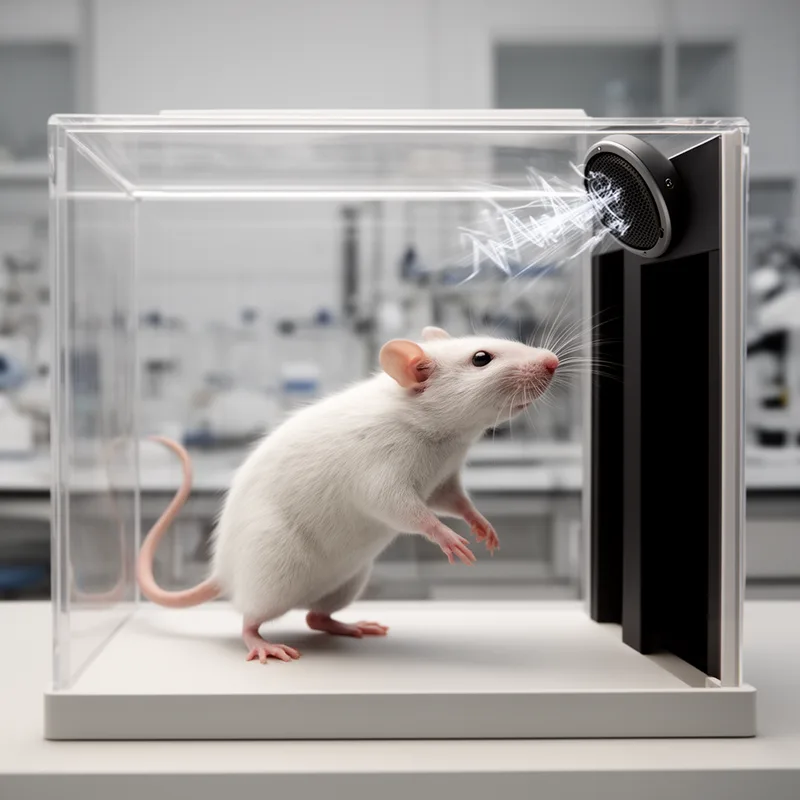
Animals will quickly learn to escape from areas where they encounter an aversive stimulus like a loud noise.
Synonyms


 1
7.1
1
7.1
Something unpleasant that makes an action less likely
Antonyms

- Specialized
Something like praise or a reward that makes someone do something again
How Aversive

Surface Forms
Morphology
The meaning is directly and compositionally derived from 'aversive' (causing avoidance or discomfort) plus 'stimulus' (something that triggers a response), so a learner who knows both words can infer it is a stimulus that elicits avoidance. This formation follows straightforward adjective+noun composition and has close equivalents in other languages, making it transparent to learners who know the constituents.
Etymology
Aversive stimulus joins aversive (something you want to move away from) and stimulus (something that causes a reaction). Imagine a loud shock that makes an animal jump and learn to 'avoid' a place — that's why the phrase means an unpleasant thing that makes a person or animal 'avoid' it.