
automaticity
- noun
- /ˌɔːtəˈmætɪsɪti/
- Specialized
- Playing the piano with automaticity means a musician can perform complex pieces without conscious effort, focusing on emotion instead.
Examples
-
When learning to drive, a student eventually develops the automaticity to operate the vehicle without thinking about each action.
-
Similarly, Logan and Klapp (1991) suggested that the automaticity of concepts is dependent on the number of presentations.
Academic text (2002) -
The Europeans naturally pressed for a rapid return of U.S. forces and for automaticity in launching a full-scale military response to an attack.
Academic text (2009) -
Deeny et al. offered the explanation that skilled athletes require less cortico-cortical communication to execute a task than novices, reflecting the development of efficient task-specific strategies that display a relatively high level of automaticity.
Academic text (2006) -
Typewriters allowed for the automaticity of typing, enabling writers to focus more on ideas than the mechanics of writing.
Synonyms

 33
3.3
33
3.3

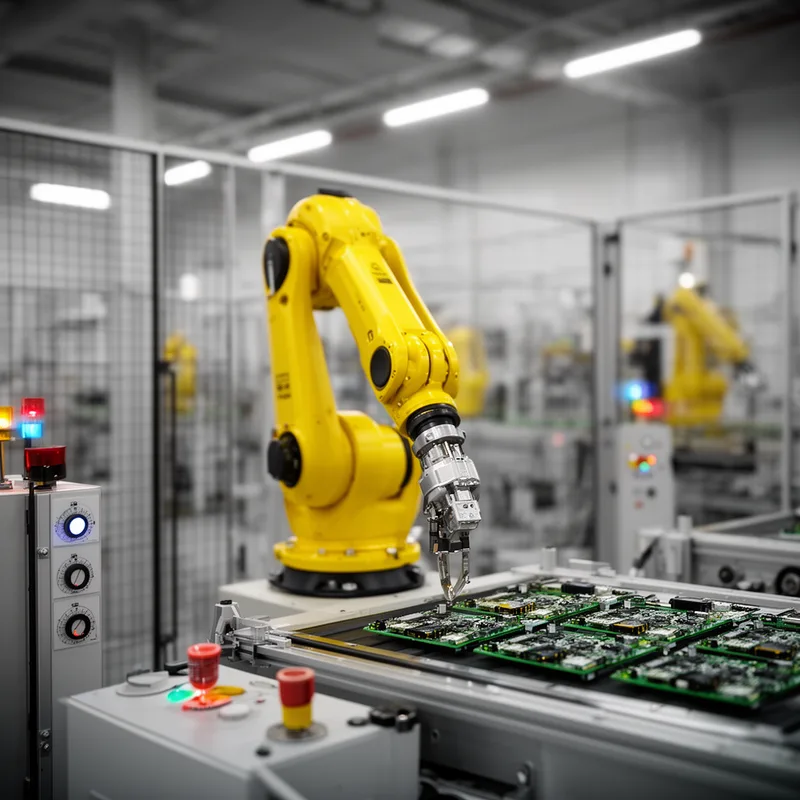
Use of machines or computers to do work without people helping
How Automatic

Surface Forms
Morphology
Etymology
The word automaticity comes from auto- 'self', automatic 'working by itself', and the ending -ity which makes a noun meaning 'a state or quality'. So automaticity is the state of a machine or system that works 'by itself' without human control, like an automatic coffee machine.