
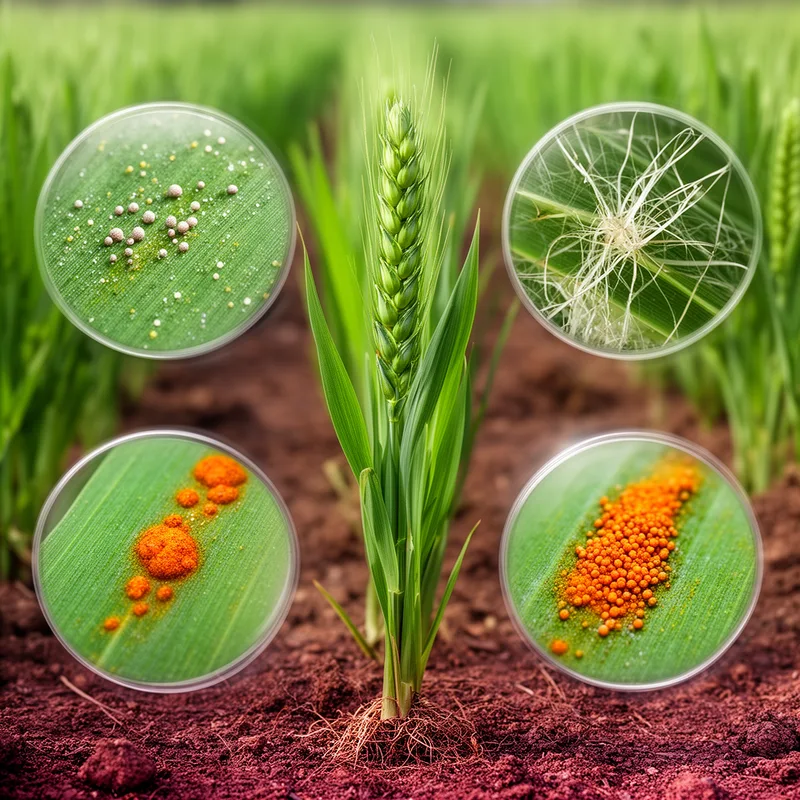
autoecious
- adjective
- /ˌɔːtoʊˈiːʃəs/
- Specialized
- The autoecious nature of this rust fungus means it does not need an alternate host to reproduce.
Examples
-
The autoecious rust fungus thrives on a single plant species.
-
Some autoecious fungi can severely damage their host plants during every stage of their life cycle.
-
Researchers studied several autoecious species to understand how host specificity affects parasite evolution.
-
Many autoecious parasites have adapted to their specific hosts.
-
Researchers studied several autoecious fungi to learn how they complete their life cycles on a single host species.
-
The autoecious rust fungus relies entirely on one plant species to thrive and reproduce.
-
Understanding the biology of autoecious parasites can help scientists develop targeted strategies for crop protection.
Synonyms
A parasite that lives and reproduces in only one host species
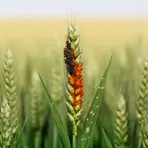
A parasite that lives its whole life on one animal or plant
Antonyms

Surface Forms
Morphology
autoecious = ecious (opaque) = auto + ecious
The prefix auto- is recognizable, but the biological combining form -ecious is specialized and not predictable enough for an average learner to infer the meaning.
Etymology
Autoecious comes from Greek parts auto- meaning 'self' and oikos meaning 'house' or 'home'. So an autoecious parasite spends its whole life on one 'home', meaning one host species, and does not need another host to finish its life cycle.

