
autocatalysis
- noun
- /ˌɔːtəʊkəˈtælɪsɪs/
- Specialized
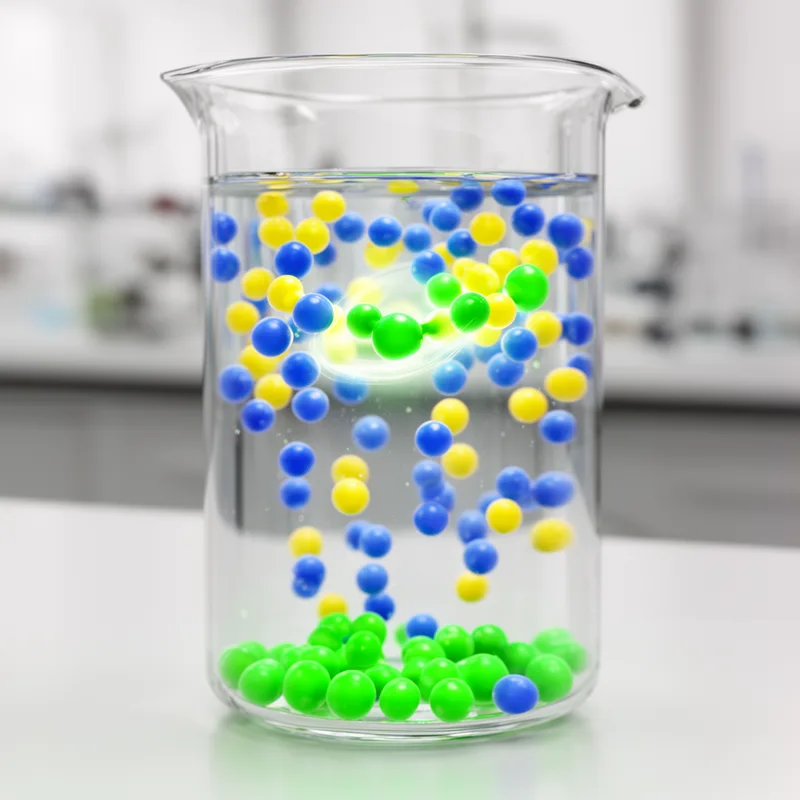
- In a process of autocatalysis, the product of a reaction enhances the reaction itself.
Examples
-
The general ability of some molecules to make more molecules like themselves is known to chemists as autocatalysis.
Academic text (2013) -
And he is confident that the chemical study of autocatalysis will play some part, whether it is the Kauffman-championed network variety or some more restricted type more like that used in many biochemical reactions in cells.
Academic text (2013) -
The discovery of autocatalysis led scientists to understand how certain reactions can accelerate without external catalysts.
-
Researchers observed that the phenomenon of autocatalysis is crucial in many biological processes.
How Self-Sustaining
- Specialized

- Specialized
Surface Forms
Morphology
Etymology
Autocatalysis comes from auto- ('self') and catalysis, the action of a catalyst ('something that makes a reaction go faster'). So, autocatalysis is when a product of a chemical reaction acts like that catalyst and makes the same reaction go faster, in other words 'helping itself' to form more quickly.

