
auroral
 1
9.9
1
9.9

- adjective
- /əˈrɔrəl/
- Specialized
- More specifically, auroral activity is likely to take place between 12:30 a.m. and 4:30 a.m. in September and May.
- auroral display
- auroral storm
- auroral curtain
Examples
-
Since there was auroral activity, there may have been sunspots after all.
Academic text (1991) -
In less than a day, our planet was enveloped by this tidal wave of particles, setting off an auroral display the likes of which had not been seen for decades.
Blog text (1) -
Also, auroral records for the period may show activity, though this is controversial.
Academic text (1991) -
As the first auroral band approached, I began to see more and more detail.
Blog text (1) -
The collisions excite oxygen and nitrogen molecules that then decay, emitting auroral light.
Academic text (2006) -
Description: Colm Ryan talks about some key moments during the last 10 years: a spectacular auroral display, an intense meteor storm, and strange moving lights in the sky that convey to him the wonder and delight of amateur astronomy.
Blog text (1) -
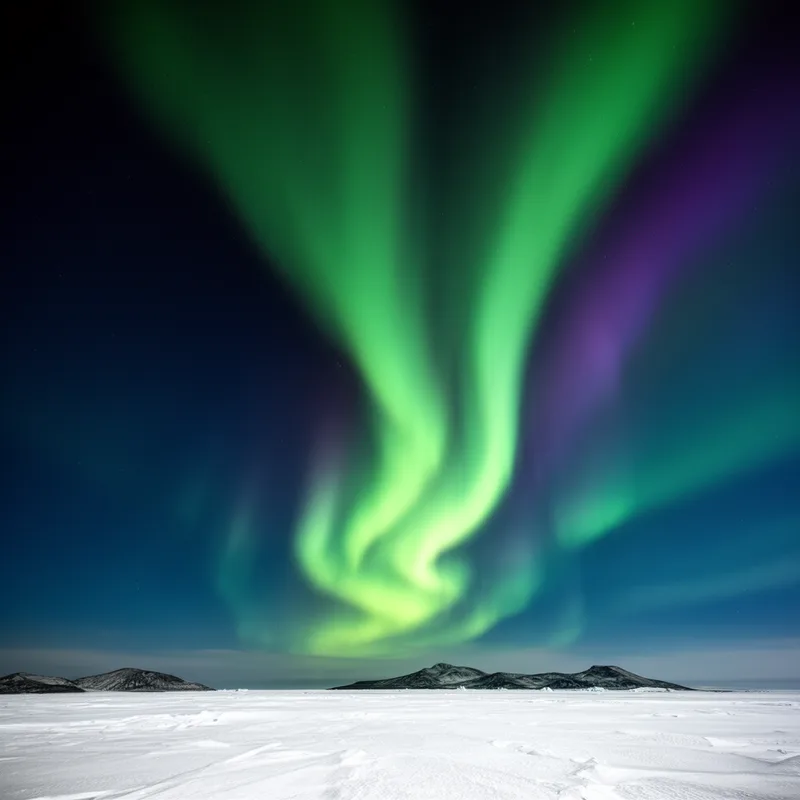
The sky was filled with vibrant colors during the auroral display in Norway.
-
Many travelers book trips to see the auroral lights in locations like Iceland and Alaska.
-
Photographers often try to capture the stunning beauty of auroral phenomena at night.
Surface Forms
Morphology
Etymology
Auroral also comes from the Latin aurora ('dawn') because the bright, moving lights in the sky can look like a colorful dawn. People called the northern lights aurora borealis, so auroral describes those glowing sky displays.