
aureus


 1
9.9
1
9.9
- noun
- /ˈɔːriəs/
- Archaic
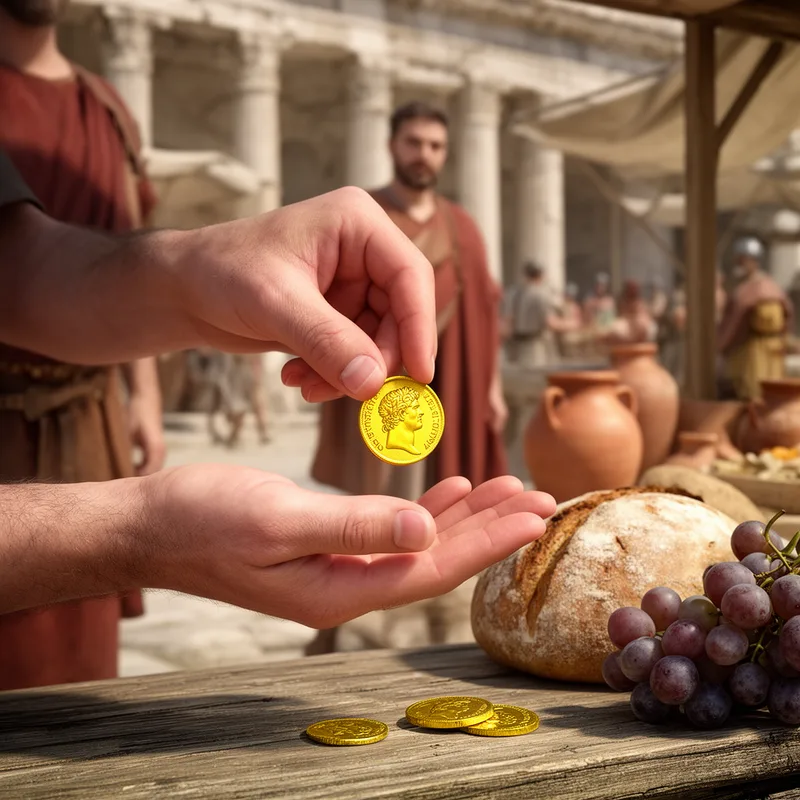
- In ancient Rome, merchants often preferred to receive payments in aureus coins because of their high value.
- gold aureus
Examples
-
Yost von Rossum, the owner, has perfected the technique of setting ancient coins like this magnificent aureus of Nero without damaging them in any way.
-
One gold aureus, struck by the emperor Trajan in A.D. 107, depicts Jupiter and Mercury together with a large star (see figure 8).
Academic text (1995) -
Had to sacrifice my Ides of March gold aureus in trade.
-
On the left, a Roman gold aureus that depicts Jupiter, Mercury, and a bright star.
Academic text (1995) -
The Emperor's minted coins, the gold coin, the aureus, was used for high value transactions and to store wealth.
-
The Byzantine gold coin, the hyperpyron (sometimes called the bezant), was a direct successor of the late Roman gold coin, the aureus or solidus.
Academic text (1990) -
An aureus minted during the reign of Emperor Augustus features a striking portrait of the emperor.
-
Collectors often seek an aureus for its historical significance and gold content.
Compounds



- Specialized
A plant with bright yellow flowers that grows in wet meadows and can spread quickly
How Old
- Specialized
1
4.7

- Archaic
1
9.9
- Specialized
1
7.4
2
5.8
Surface Forms
Etymology
Aureus was the name of a Roman gold coin and it comes from Latin aurum 'gold'. So the word tells you the coin was made of gold and had real value.