
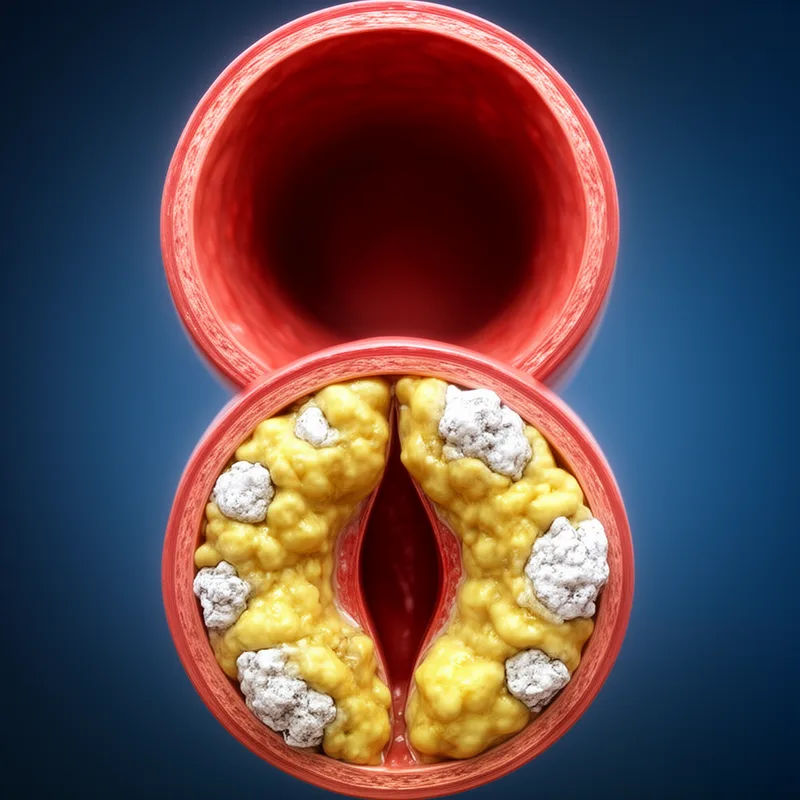
atheromatous


 1
9.9
- adjective
- /ˌæθəˈroʊmətəs/
- Specialized
- The patient's atheromatous buildup led to significant blockage in the arteries, necessitating surgery.
Examples
-
This case of renal cholesterol atheromatous embolism was confirmed by tissue examination.
Academic text (2007) -
Atheromatous embolism is a systemic disease resulting from cholesterol crystal embolization in many organs, including the kidneys.
Academic text (2007) -
Exclusion of early atheroma is, however, not possible, since arteries that appear angiographically normal may show atheromatous changes at necropsy.
Academic text (1992) -
Atheroemboli are the most common culprits and are usually dislodged from the atheromatous aorta during arteriography, angioplasty, or aortic surgery.
Academic text (1995) -
Doctors diagnosed him with an atheromatous condition that affected the arteries in his heart.
-
Regular check-ups can help detect atheromatous changes in arteries before they cause serious problems.
Synonyms
 1
7.7
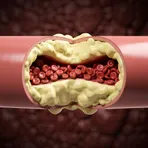
Having fatty deposits inside arteries that reduce blood flow
 1
9.1
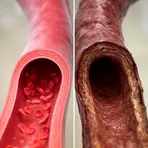
Artery walls that are thick, hard, and do not stretch well
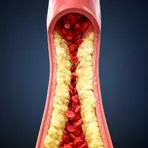
Having fatty, sticky deposits on the inside walls of arteries that can block blood flow
How Atheromatous

Surface Forms
Morphology
Etymology
Atheromatous comes from the Greek roots athere meaning 'gruel' or 'porridge' and -oma meaning 'mass'. That picture of a 'porridge'-like mass helps you remember that atheromatous describes arteries with thick, fatty plaques that stick to their inner walls.