
aseptate
- adjective
- /əˈsɛpˌteɪt/
- Specialized
- Fungi with aseptate structures can grow rapidly because there are no partitions to slow cytoplasmic flow.
Examples
-
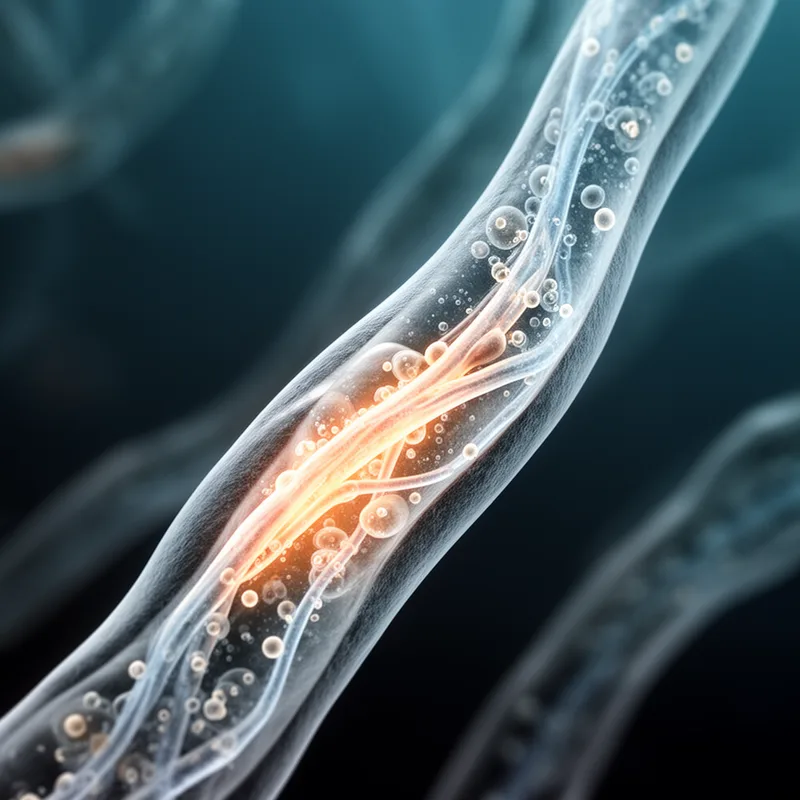
Certain molds have aseptate hyphae, which means their filaments are not divided by cross-walls.
-
The biologist observed that the sample contained aseptate cells under the microscope.
-
The aseptate hyphae of the fungus spread rapidly.
-
In biology, aseptate structures can be quite common.
-
The mycelium is aseptate, allowing for the rapid transport of nutrients throughout the organism.
-
In this fungal species, the hyphae are aseptate, meaning they do not have internal divisions.
-
Aseptate cells can grow more efficiently since they lack the barriers that individual compartments create.
Synonyms

Having no inner walls, for example in fungus threads or long algae tubes
How Septate
- Specialized

- Specialized
Surface Forms
Morphology
Etymology
The word aseptate begins with a- meaning 'not' and comes from sept- (from septum) meaning 'wall' or 'partition', the same idea you see in separate. So, aseptate describes cells or fungal threads that are 'not divided by walls', which is why their cell contents can move freely along the whole tube.

