
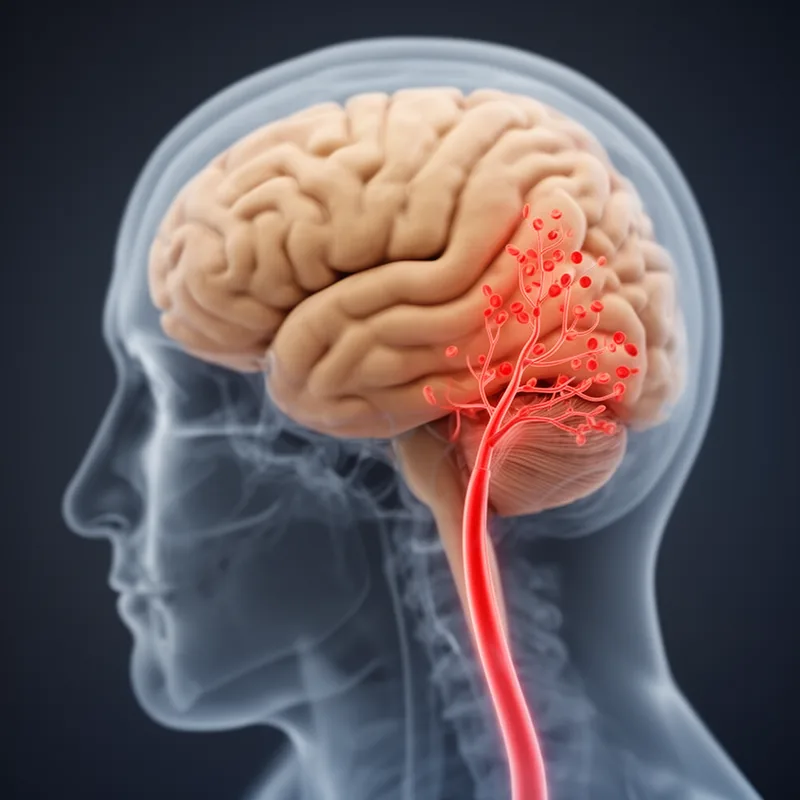
arteria temporalis posterior
- noun
- /ɑːrˈtɛriə ˌtɛmpəˈrɑːlɪs pəˈstɒrɪər/
- Specialized
- Damage to the arteria temporalis posterior can lead to neurological problems due to reduced blood supply.
Examples
-
The surgeon identified the arteria temporalis posterior during the delicate brain operation.
-
Detailed maps of the arteria temporalis posterior are found in anatomical atlases.
-
Damage to the arteria temporalis posterior can impact blood flow to the temporal lobe.
-
The arteria temporalis posterior is crucial for brain function.
-
Surgeons must be careful of the arteriae temporales posteriores during operations.
-
During brain surgery, it is vital for the surgeon to locate the arteria temporalis posterior to avoid complications.
-
Anatomists study the arteria temporalis posterior to understand its role in supplying blood to the brain.
Synonyms

A blood vessel that carries blood to the back of the brain near the temples
Surface Forms
Morphology
arteria + temporalis + posterior
This is a directly compositional anatomical label: 'arteria' = artery, 'temporalis' = relating to the temporal region, and 'posterior' = at the rear, so together they denote the posterior temporal artery. Although the constituents are Latin/medical forms that may be unfamiliar to some learners, if a B1 learner knows the individual words the overall meaning is transparently derived from their combination.
Etymology
Arteria temporalis posterior comes from Latin words: arteria means 'artery', temporalis means 'temple', the side of the head, and posterior means 'back'. The name paints a clear picture — an artery at the back part of the temple, which is why it refers to the blood vessel that gives blood to the rear part of the temporal area of the brain.

