
apposition
- noun
- /ˌæpəˈzɪʃən/
- Specialized
- Most long bones add width on the outside by a process referred to as subperiosteal apposition (layers added to those already existing), while losing bone on the inside by endosteal resorption (breaking down and reabsorbing material).
- intimal apposition
Examples
-
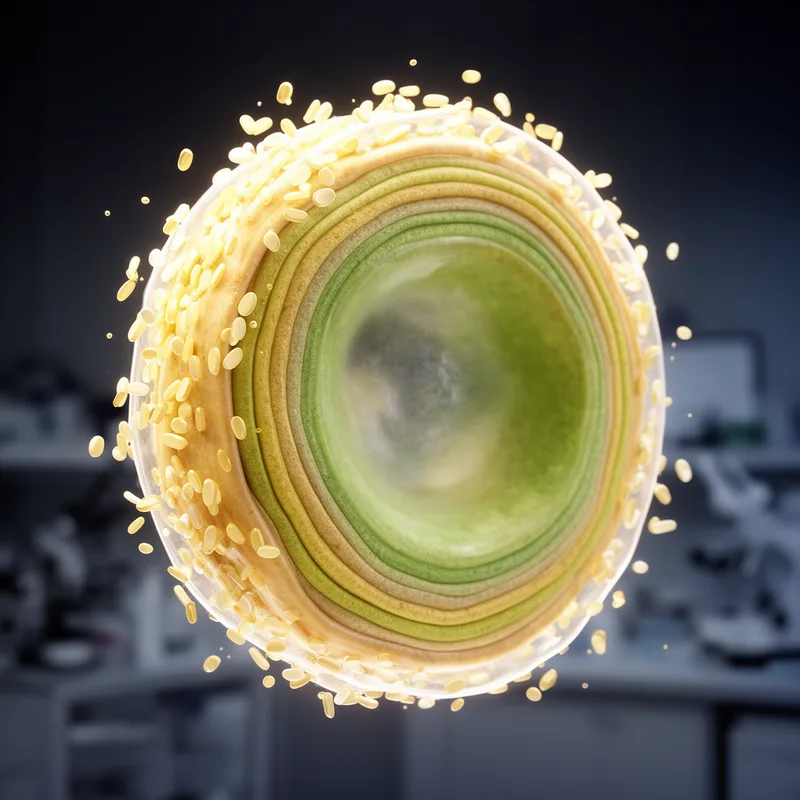
During cellular development, apposition occurs as materials are stacked to thicken the wall.
-
In biology, apposition refers to the addition of layers to cell walls, making them stronger.
-
Intima-on-intima apposition with no intraluminal exposure of muscularis or adventitia was observed.
Academic text (2015) -
Microscopic evaluation was performed using light and electron microscopy, as shown in Figure 3, which revealed perfect eversion and intimal apposition.
Academic text (2015) -
While a reduction in lumen size may appear to be problematic, the HM technique provides superior architecture at the anastomosis site, with circumferential eversion of the vessel wall and intima-on-intima apposition.
Academic text (2015) -
The process of bone growth involves subperiosteal apposition, adding layers on the outside.
Synonyms

 6
7.4
6
7.4

Gradual growth by adding small bits or layers of matter
 6
7.2
6
7.2
Material that settles in one place after water, wind, or ice moves it
 4
3.5
4
3.5
Putting things on top of each other to form layers
 4
4.6
4
4.6
The process or result of something becoming more dense
How Thick
- Specialized
 4
4.6
4
4.6
Surface Forms
Morphology
Etymology
Apposition comes from Latin parts ad- 'to' and ponere 'to place', the same root as position 'place'. In biology this idea of 'placing' becomes putting new material in layers, so apposition is the process of laying down layer after layer to make a wall thicker.