
apocatastasis
- noun
- /ˌæpəˈkætəˌsteɪsɪs/
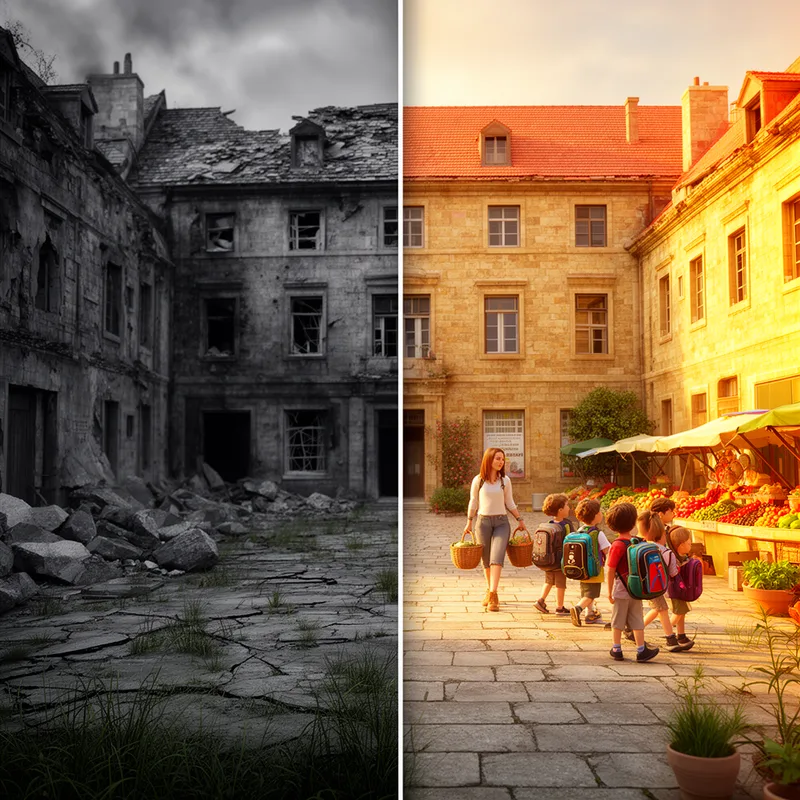
- The novel ends with the apocatastasis of the ruined city, its markets and schools reopening.
Examples
-
The historian described the apocatastasis of the ancient city after years of neglect.
-
After the war, the country hoped for an apocatastasis of its cultural traditions.
-
The concept of apocatastasis is central to many philosophical debates.
-
The apocatastasis of nature is often seen after a forest fire.
-
The historian described the apocatastasis of the ancient city after years of neglect.
-
After the war, the country hoped for an apocatastasis of its cultural traditions.
-
The novel ends with the apocatastasis of the ruined city, its markets and schools reopening.
Synonyms

 98
3.4
98
3.4

The act of returning something to its original state
 89
4.2
89
4.2
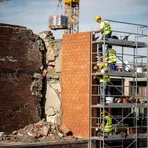
Building something again after it is damaged or destroyed
 14
5.8
14
5.8
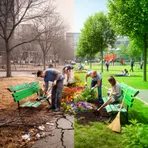
Making a place or community active and healthy again
 1
9.9
1
9.9
Bringing something back into use or public attention


 1
3.9
1
3.9
To make something work like new again by repairing or cleaning
 1
7.0
1
7.0
To change something back to its earlier form or use, for example factories after a war
Bringing something back to how it was before

A repair that returns something to its original condition

To return something to its original state

Adding a needed part so something becomes like it was before

To change something again to return it to its original form

The process of becoming new or useful again after damage
Antonyms

 43
5.9
43
5.9
A slow change when something like a building or a person's health becomes worse
How Restored
 98
3.4
98
3.4
Surface Forms
Morphology
apocatastasis = apo + catastasis
The term is a learned theological/technical borrowing built from obscure Greek combining forms that are not productive or familiar to average learners, so its meaning cannot be reliably derived from the parts.
Etymology
Apocatastasis comes from Greek parts apo- meaning 'back' and katastasis meaning 'restoring'. So it literally means 'bringing back', and it fits the modern sense of restoring something to its original or former state.