
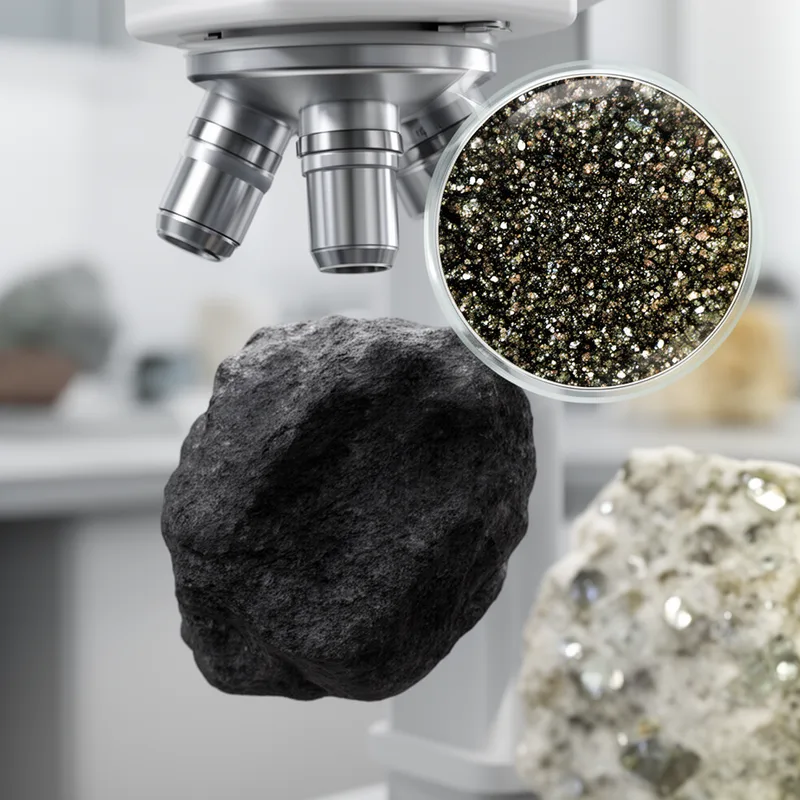
aphanitic
- adjective
- /ˌæfəˈnɪtɪk/
- Specialized
- The basalt sample is described as aphanitic because its crystals are too small to identify with the naked eye.
Examples
-
The basalt sample is described as aphanitic because its crystals are too small to identify with the naked eye.
-
Most volcanic rocks are aphanitic due to their rapid cooling at or near the Earth's surface.
-
Geologists classified the specimen as aphanitic, distinguishing it from coarse-grained granite.
-
This rock is aphanitic.
-
Look at this aphanitic sample I collected yesterday!
-
Geologists classified the specimen as aphanitic, distinguishing it from coarse-grained granite.
-
Most volcanic rocks are aphanitic due to their rapid cooling at or near the Earth's surface.
Synonyms
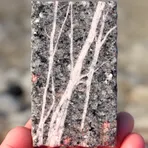
Showing very small, even grains often in thin light bands in granite
How Fine-Grained


Surface Forms
Morphology
Etymology
The word aphanitic comes from Greek parts a- 'not' and phanēs 'visible' or 'to appear'. A helpful memory is the same root appears in phantom, which is something you cannot see. So aphanitic describes rocks whose crystals are too small to be seen with the eye.