
antipyretic
7.2
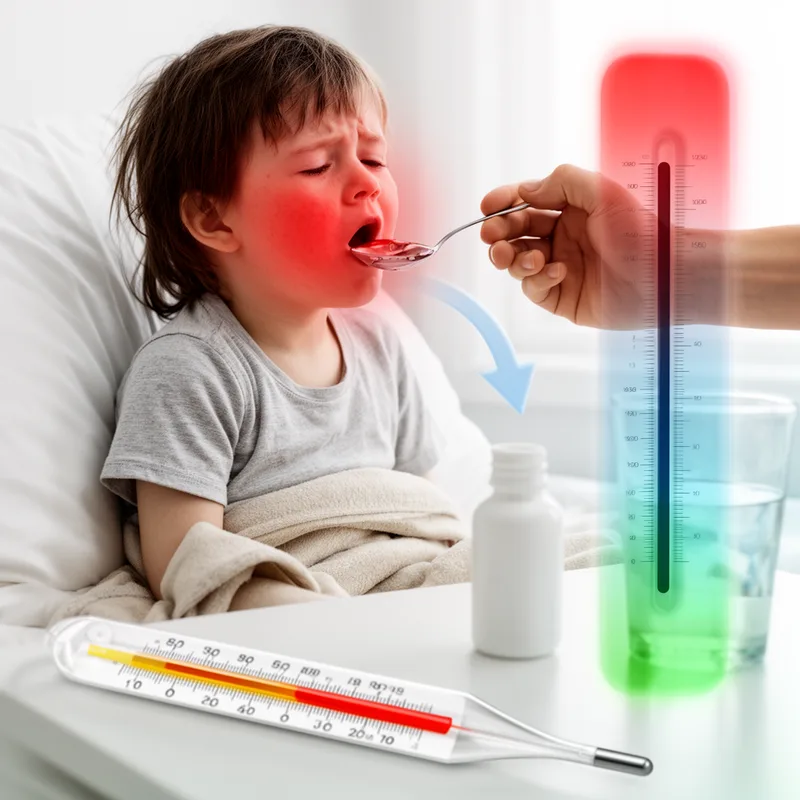
A medicine that lowers a fever
- noun
- /ˌæntiˈpaɪrɛtɪk/
- Specialized
:
antipirético
- The doctor recommended an antipyretic to help lower the patient's temperature.
Examples
-
Acetylsalicylic acid (aspirin) was used for years as a painkiller and antipyretic before its use in reducing platelet stickiness was discovered.
Academic text (2012) -
Paracetamol was used as an antipyretic.
Academic text (1992) -
Aspirin, although it is an effective antipyretic, is not recommended for children because of the danger of Reye's syndrome (RS).
Academic text (2007) -
Paracetamol is a commonly used antipyretic that helps reduce fever.
-
Many people take ibuprofen as an antipyretic whenever they have a high fever.
Synonyms

 11
4.1
11
4.1

A common pain medicine that reduces fever but not swelling
refers to the general class that lowers body temperature to fight fever
 2
2.5
2
2.5
A common pain medicine that also lowers fever
is the broader category for medicines that lower body temperature to stop fever

9.9
A medicine that reduces fever
specifies lowering body temperature as the way to reduce or prevent fever
Antonyms


How Effective

Surface Forms
antipyretic singular
antipyretics plural
Etymology
Antipyretic comes from anti- 'against' and pyretos 'fever', so an antipyretic is a medicine that fights fever and helps lower your body temperature.