
antiphony
- noun
- /ˌæn.tɪˈfoʊ.ni/
- Specialized
- I also thought it was interesting how there is antiphony between the background singers and the lead singer.
Examples
-
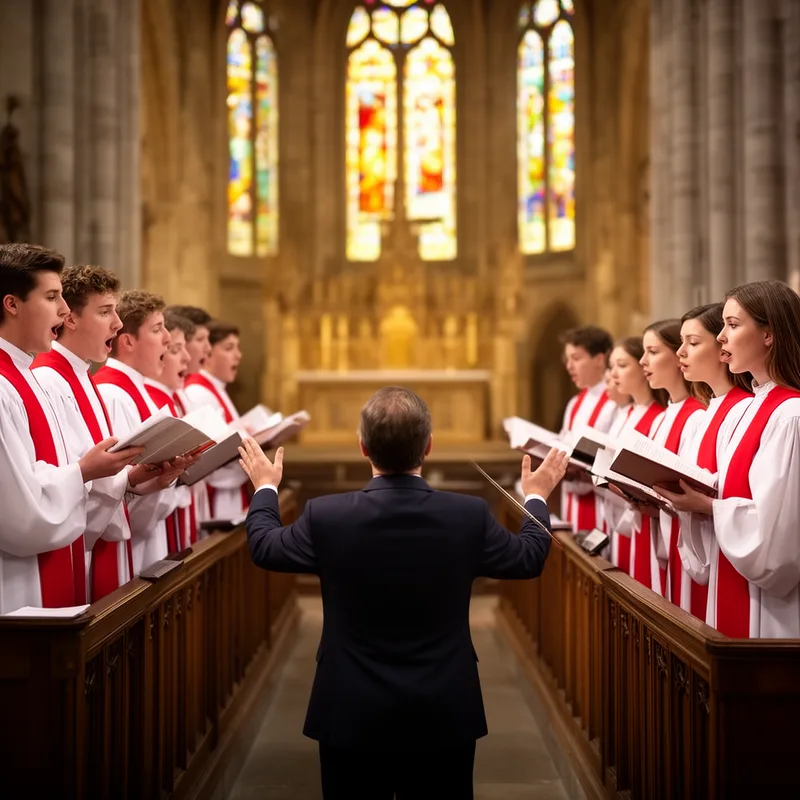
During the performance, the choir engaged in antiphony, creating an engaging dialogue through their alternating chants.
-
The call-and-response litanies of black church preaching and the DJ/audience antiphonies of rap sidewalk sampling are witness to such.
Academic text (2000) -
Next we learned that antiphony, or the call-and-response genre, is also part of the Metis vocal repertoire, here powerfully rendered by Cyndy Doxtator and a company of harmony singers.
Academic text (2013) -
In the church service, the congregation participated in an antiphony, singing responses to the choir in beautiful harmony.
-
The traditional singing style featured antiphony, with two groups alternating verses during the ceremony.
Surface Forms
Morphology
Etymology
Antiphony comes from the Greek parts anti- meaning 'opposite' and phōnē meaning 'voice' or 'sound'. It describes a style of singing where two groups 'call and answer' or take turns, so antiphony is singing in back-and-forth voices.

