
antinomian


 1
9.9
- adjective
- /ˌæntɪˈnoʊmiən/
- Formal
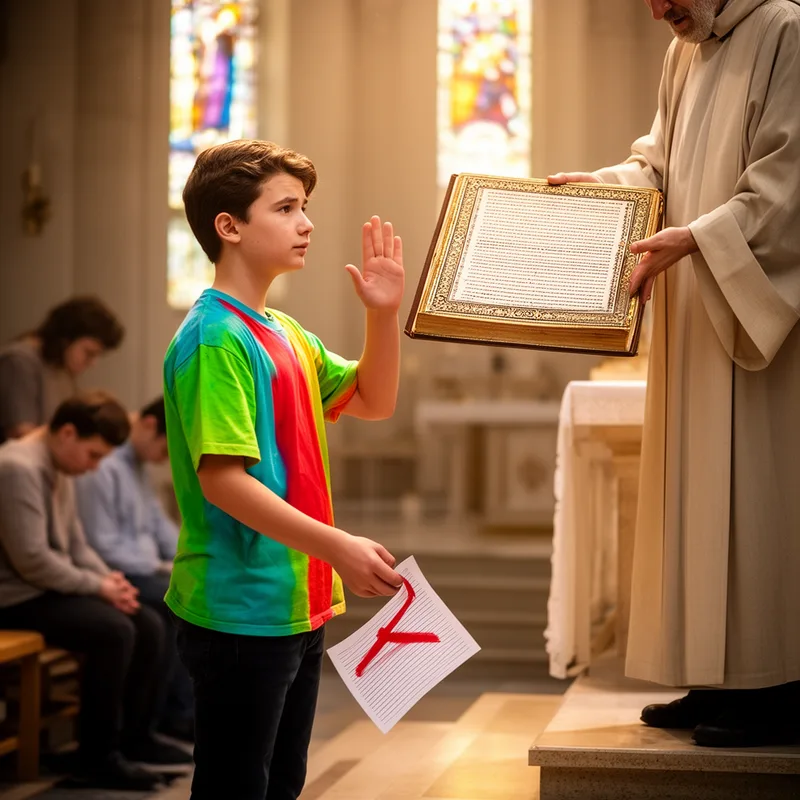
- In her writings, she discussed the antinomian perspective that faith alone should guide one's actions, without reliance on established laws.
Examples
-
As England's public upheavals of the mid-seventeenth century were turning ominous, the antinomian preacher Tobias Crisp set his own stamp upon tempestuous times.
Academic text (2006) -
Crisp swam with the "antinomian undercurrent" that surfaced when Perkinsians strove to insulate the gratuitousness of the gospel against legalist incursion.
Academic text (2006) -
Nevertheless, the fall of Archbishop Laud carried antinomian consequences scarcely intended by the architects of the fall.
Academic text (2006) -
Indeed, the protesters began espousing Sabbatarianism and what La Pierre and other ministers described as antinomian principles.
Academic text (2006) -
At the same time, the parents of such children often furiously resist the efforts of others to set limits for their children, and this further strengthens the antinomian attitudes of the children.
Academic text (1993) -
Little is known of the antinomian incumbent of the Wiltshire living of Brinkworth, to which Crisp was presented in 1627.
Academic text (2006) -
The decree then listed eight errors of which these people were supposedly guilty, essentially defining the antinomian heresy of the Free Spirit that so concerned clerical authorities in the later Middle Ages.
Academic text (2003) -
In the context of the early 1640s, as antinomian excesses appeared to orthodox clergy to be getting out of hand, Crisp's quietism came explosively and menacingly upon the scene, offering a drama of salvation.
Academic text (2006) -
Many radical thinkers in history have been labeled as antinomian for their belief that established moral laws can be disregarded.
-
The antinomian views of some religious leaders challenged the traditional interpretations of scripture.
Synonyms
 1
7.4
Not following the usual customs or rules of society
 1
7.9
Not accepting fixed beliefs that people do not question
Antonyms

How Antinomian

Surface Forms
Morphology
antinomian = nomian (opaque) = anti + nom + ian
The word is built from the classical elements anti- + nom- + -ian, but the root nom- is not transparent to most learners and the specialized meaning is not easy to infer.
Etymology
The word antinomian comes from the parts anti- meaning 'against' and nomos meaning 'law', so it literally says 'against the law'. That's why antinomian describes ideas or attitudes that reject established or moral rules, and the same nom- root appears in autonomy ('self-law') to help you remember.