
antimycin
- noun
- /ˌæntɪˈmaɪsɪn/
- Specialized
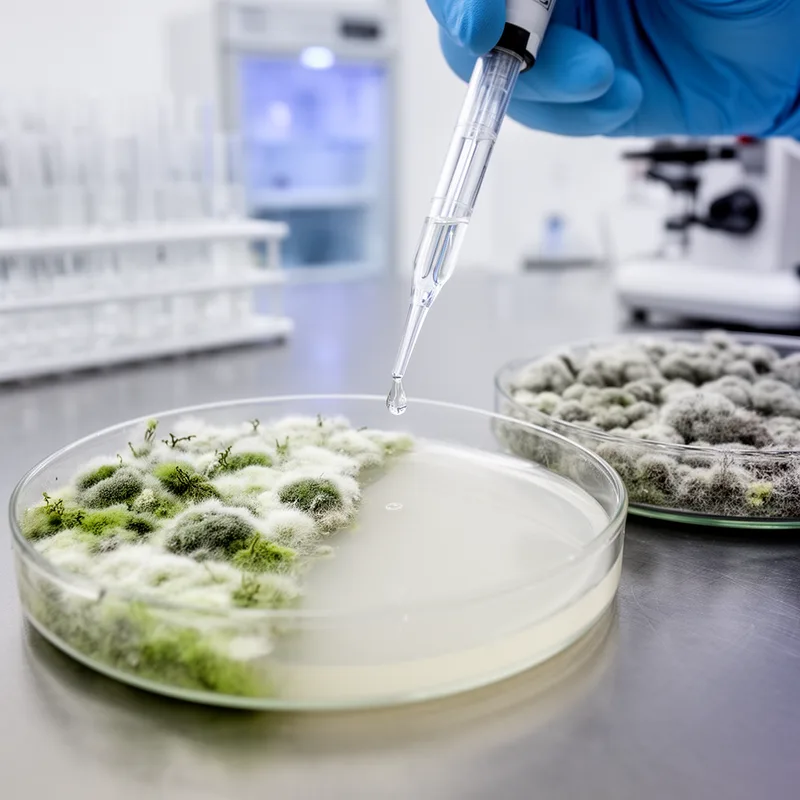
- Exposure to antimycin inhibits the growth of certain fungal species.
Examples
-
Researchers treated the samples with antimycin to prevent fungal contamination.
-
The laboratory uses antimycin to study mitochondrial function in cells.
-
The researcher used antimycin to study fungal growth.
-
They tested several antimycins for their effectiveness.
-
Exposure to antimycin inhibits the growth of certain fungal species.
-
Researchers treated the samples with antimycin to prevent fungal contamination.
-
The laboratory uses antimycin to study mitochondrial function in cells.
Synonyms


 1
6.2
A medicine that kills or stops the growth of fungus
 1
7.3
A medicine that kills or stops fungi that cause infections
Surface Forms
Morphology
antimycin = mycin (opaque) = anti + mycin
The prefix anti- is transparent, but the base element mycin is a specialized bound form rather than a clear standalone English word, so the meaning is not readily inferable for most learners.
Etymology
Antimycin comes from anti- meaning 'against' and myc meaning 'fungus', with the common chemical ending -in; the myc part is the same idea you see in mycology, the study of fungi. So, antimycin literally means a substance 'against fungi', which explains why it stops fungal growth and is used in research.