
antimonial
- adjective
- /ænˈtɪməˌnəl/
- Specialized
- They replaced the lead pipes with antimonial lead to improve corrosion resistance.
Loading YouTube…
Watch on YouTubeSo it looks like the antimonial drugs are killing the parasite and the killing the patients as well.
- So it looks like the antimonial drugs are killing the parasite and the killing the patients as well.
Examples
-
Some antimonial materials are crucial for electronics.
-
The antimonial alloys have improved durability.
-
Certain types of antimonial glass have unique optical properties due to the presence of antimony.
-
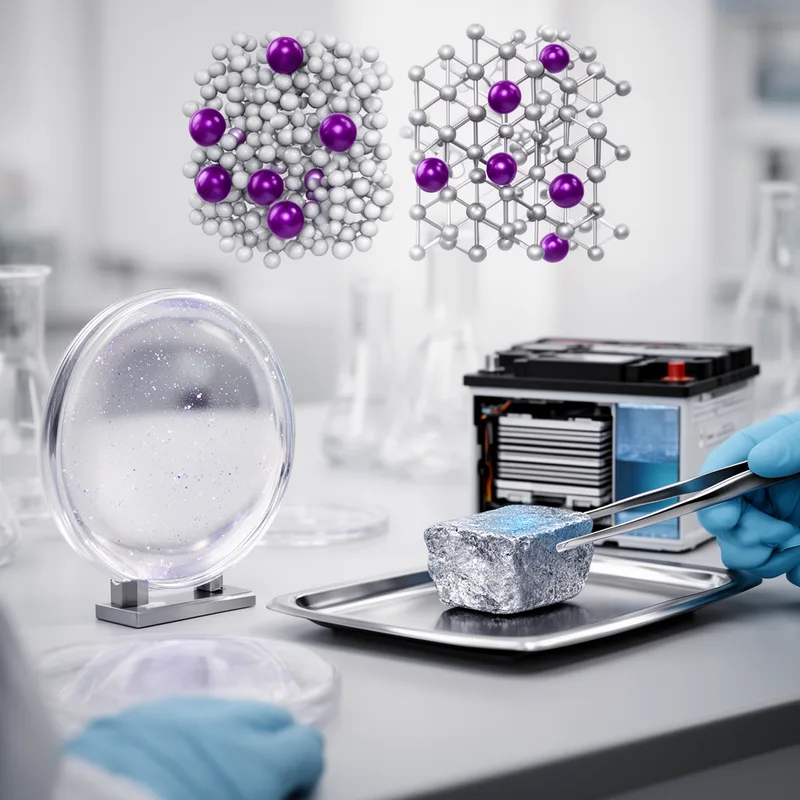
The chemist examined an antimonial alloy used in battery manufacturing.
-
The jeweler used an antimonial alloy to enhance the durability of the rings.
-
He created an antimonial compound that improved the effectiveness of the new battery.
-
Manufacturers often rely on antimonial materials to produce stronger and more resilient plastics.
Synonyms

Relating to or made from antimony with a higher positive charge

Relating to antimony when it has a low positive charge of three
Compounds

- Specialized
A metal made from lead and a little of another metal used to make parts stronger and resist corrosion
How Much Antimony
- Specialized
 3
9.2
3
9.2


- Specialized
Surface Forms
Morphology
Etymology
Antimonial comes from the name of the metal antimony, an old word for a metal once used in medicine and in metal mixes. So, something antimonial is 'containing antimony' or 'relating to that metal'.