

antihemophilic factor
- noun
- /ˌæntiˌhiːməˈfɪlɪk ˈfæktər/
- Specialized
- The patient receives regular infusions of antihemophilic factor to manage his hemophilia A.
Examples
-
A deficiency of antihemophilic factor leads to impaired blood clotting and increased bleeding risk.
-
Researchers are developing recombinant forms of antihemophilic factor to improve treatment options.
-
The antihemophilic factor is crucial for blood clotting.
-
Patients with hemophilia A lack sufficient antihemophilic factors.
-
A deficiency of antihemophilic factor leads to impaired blood clotting and increased bleeding risk.
-
The patient receives regular infusions of antihemophilic factor to manage his hemophilia A.
-
Researchers are developing recombinant forms of antihemophilic factor to improve treatment options.
Synonyms
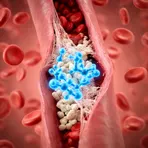
A protein in blood that helps form clots to stop bleeding

A blood protein that helps blood clot and whose lack causes long bleeding after injury
Surface Forms
Morphology
antihemophilic + factor
The phrase is morphologically compositional (anti- + hemophilic + factor) so a learner who knows the parts can infer it denotes a factor that acts against or counteracts hemophilia (i.e., a blood-clotting factor). However, it is a specialized medical term and relies on knowledge of 'hemophilia' and the prefix 'anti-', so the meaning is not fully obvious to an average B1 learner without some domain knowledge.
Etymology
Antihemophilic factor comes from its parts: anti- meaning 'against', hemophilic relating to 'hemophilia', and factor meaning a protein helper. Think of it as a helper protein that works 'to help blood clot', so without it a person bleeds more.

