
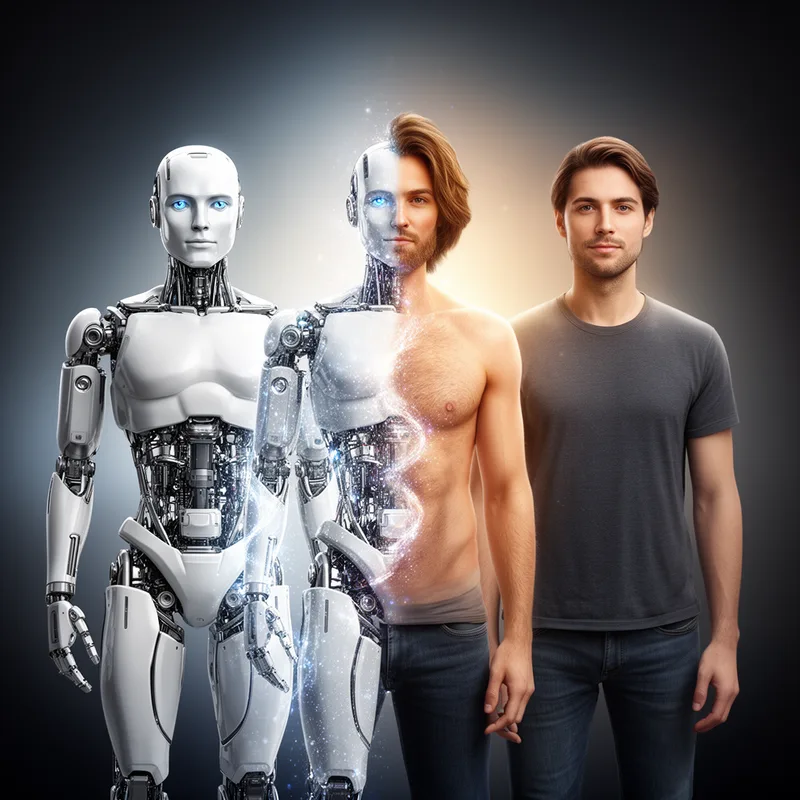
anthropomorphosis
- noun
- /ˌænθrəpəˈmɔrfəsɪs/
- Specialized
- The legend describes the anthropomorphosis of a wolf into a wise old man.
Examples
-
The tale of anthropomorphosis describes how a clever fox turns into a wise human to outsmart hunters.
-
The film explores the anthropomorphosis of a robot who learns to feel emotions.
-
In ancient stories, anthropomorphosis often explains how animals gained human traits.
-
The concept of anthropomorphosis is fascinating!
-
In many cultures, anthropomorphosis is a common theme.
-
In folklore, anthropomorphosis frequently illustrates how creatures like bears and eagles acquire human-like wisdom.
-
The artist's work reflects the idea of anthropomorphosis, as he depicts animals with human expressions and emotions.
Synonyms
The idea that a being that is not human becomes human and gains human qualities
Antonyms


How Human

Surface Forms
Morphology
anthropomorphosis = anthropomorph (semi-transparent) = anthropo + morph + osis
The suffix '-osis' indicates a process or condition, which may not be immediately clear to all learners.
Etymology
Anthropomorphosis comes from Greek parts anthropo- 'human' and -morphosis 'change of form', much like the word metamorphosis. That's why it is used for the process or result of something becoming human in form or nature, for example a story where an animal or robot turns into a person.