
anthracene


 1
9.9
- noun
- /ˈænθrəˌsiːn/
- Specialized
- The solid anthracene is commonly used in the production of dyes and pigments for textiles.
Examples
-
Formed of interconnected, stable rings of carbon, anthracene and pyrene belong to a family of molecules that syllable-loving chemists call polycyclic aromatic hydrocarbons, or PAHs.
Academic text (2004) -
Interest in the electronic properties of semiconducting organic molecules dates back many decades to classic studies of ground- and excited-state electronic structure of model molecules, such as anthracene, performed in the early 1960s by Martin Pope and colleagues.
Academic text (2006) -
The aromatics (ring compounds like benzene and anthracene) are relatively water-soluble (which means available to the bugs) but chemically fairly inert (which means not so easy for them to break up).
Blog text (14) -
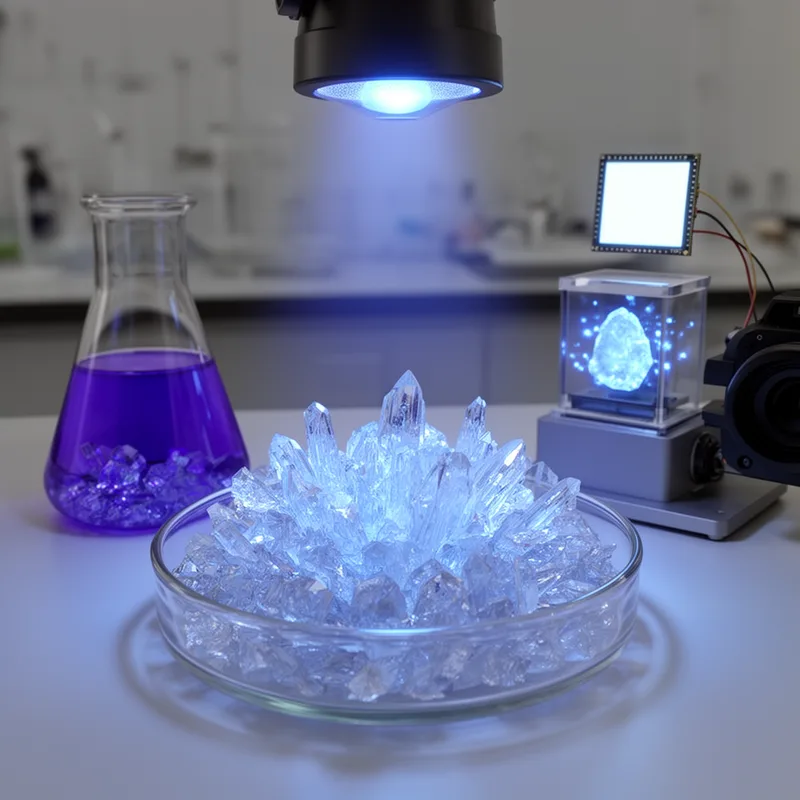
Scientists often use anthracene to detect radiation due to its luminescent properties.
-
As a polycyclic aromatic hydrocarbon, anthracene plays a crucial role in organic electronics.
Surface Forms
Etymology
Anthracene comes from the Greek root anthrac- meaning 'coal', because chemists first found it in coal tar. The ending -ene shows it is a chemical made of carbon and hydrogen, so the name helps you remember that anthracene is a solid, coal-related chemical used in dyes and electronic materials.