
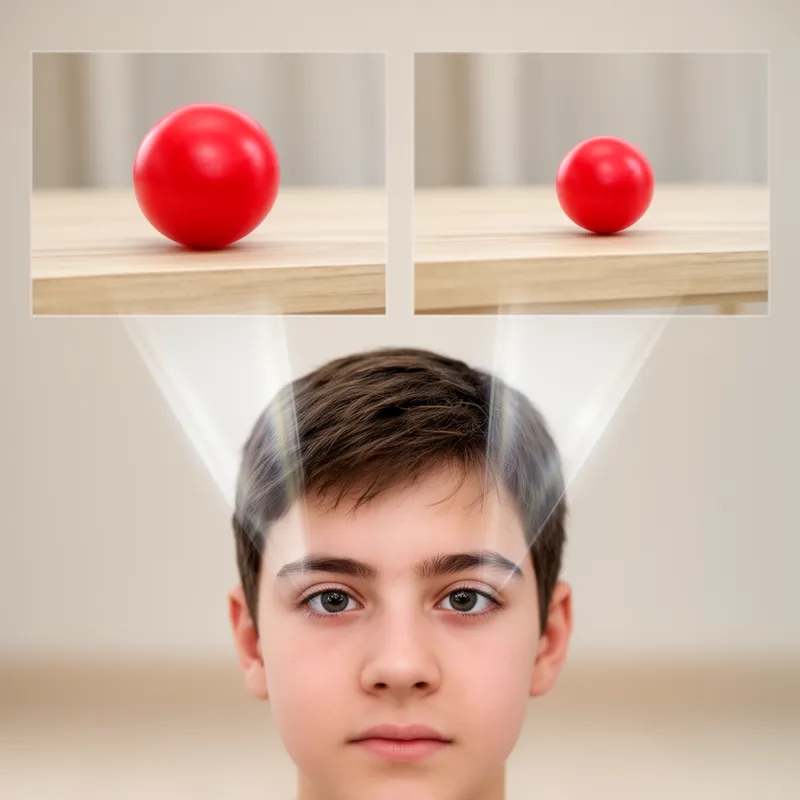
aniseikonic
- adjective
- /ˌænɪsaɪˈkoʊnɪk/
- Specialized
- After her cataract surgery, the patient reported aniseikonic vision, in which the images from her eyes differed in size.
Examples
-
Special lenses can be used to correct aniseikonic distortion and restore comfortable binocular vision.
-
The optometrist explained that aniseikonic symptoms could include headaches and eye strain due to unequal image sizes.
-
After her cataract surgery, the patient reported aniseikonic vision, with objects appearing larger in one eye.
-
The patient's vision was affected by aniseikonic discrepancies.
-
He experienced aniseikonic effects after the eye surgery.
-
Special lenses can help correct aniseikonic distortion, allowing the patient to see clearly with both eyes.
-
The optometrist noted that aniseikonic symptoms often lead to discomfort, including headaches and visual distortion.
Synonyms
Having parts that are different in size or shape
Surface Forms
Morphology
aniseikonic = aniseikonia (opaque) = an + iseikon + ic
The term is specialized and relates to a specific medical condition, not easily inferred from its components.
Etymology
The word aniseikonic comes from Greek parts aniso- meaning 'unequal' and eikon meaning 'image', the same root as the English word icon. So it describes vision when the two eyes see pictures of different size or shape, which is why it can cause eye strain.

