

animal tissue
 1
2.9
1
2.9

- noun
- /ˈænɪməl ˈtɪʃu/
- Specialized
- This could result in diminished or absent activities of both drugs, and a deficiency of protein, essential amino acids, and several minerals also decreases the activity of this system in animal tissues.
- contact with animal tissue
- direct contact with animal tissue
- animal tissue, blood, or other
Examples
-
During the experiment, they discovered that certain animal tissues were more resilient than others.
-
All protein is initially made by plants, all of it, and it is not necessary to eat animal tissue in order to get protein.
-
Much equipment for the investigation of frozen human and animal tissue is still up there.
Fiction book (1991) -
Cloning will likely result in the genetic improvement of livestock, the production of animal models to study and treat human diseases, and sources of animal tissues and organs for xenotransplantation to humans.
Academic text (1999) -
Most (89%) case-patients reported direct contact with animal tissues, blood, or other body fluids, which suggests that this is the most common risk factor and route of transmission to humans in South Africa.
Academic text (2013) -
Most case patients reported direct contact with animal tissues, blood, or other body fluids before the onset of illness (89%); mosquitoes likely played a limited role in the transmission of disease to humans.
Academic text (2013) -
For the latter, we asked whether the case-patient had experienced any of the following exposure categories in the week before illness onset: contact with animal tissues, blood, or body fluid; mosquito bites; drinking unpasteurized milk; or acquiring, handling, or consuming meat either directly from a farm or from an informal or traditional butcher.
Academic text (2013) -
The researchers analyzed samples of animal tissue to study the effects of new medications.
-
Many diseases can be transmitted through animal tissue, making thorough testing essential.
Synonyms
 470
3.2
470
3.2
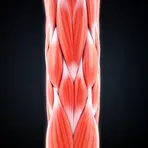
A group of similar cells that work together in a body
Surface Forms
Morphology
The meaning is directly and compositionally derived from 'animal' (an organism) + 'tissue' (a group of cells), so a learner who knows both words can infer it refers to tissue belonging to animals. This noun–noun combination is a transparent, cross-linguistically common way to form possessive/attributive compounds, making it immediately understandable to a B1 learner.
Etymology
The compound noun animal tissue uses two simple words: animal (a living creature) and tissue (the material that makes body parts). That's why it literally means the material that makes animals' bodies and today refers to the 'tissue that forms the organs and other body parts of animals'.