
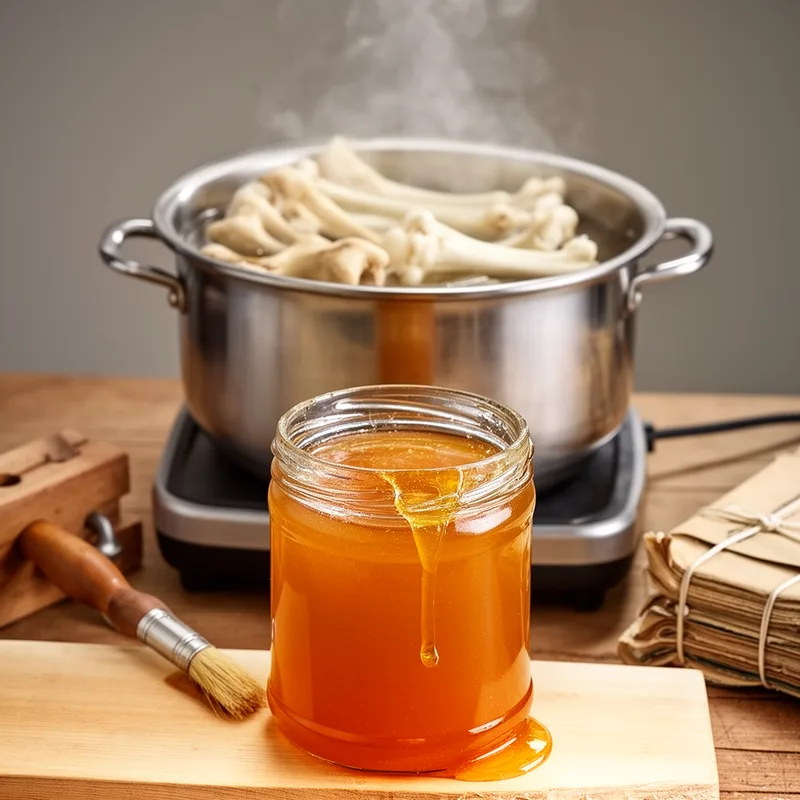
animal glue
- noun
- /ˈænɪməl ɡlu/
- Art conservators restored the painting with a mixture of animal glue and chalk.
Examples
-
The artist used animal glue in his collage to ensure the materials would adhere properly.
-
Many woodworking shops have replaced animal glue with more modern adhesives.
-
Traditional bookbinders sometimes use animal glue for its strong, flexible hold.
-
The carpenter used animal glue for the wooden joints.
-
Many artists prefer animal glue for its strong bonding properties.
-
Many artisans prefer to use animal glue because it dries clear and provides a strong bond.
-
When assembling wooden furniture, it's best to apply animal glue for long-lasting durability.
Synonyms

 214
1.0
214
1.0

A sticky substance used to join things together

A strong glue made by boiling rabbit hide for sticking wood or canvas
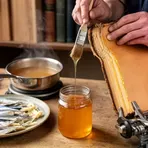
A sticky glue made by boiling fish skins and bones for woodworking and bookbinding

A strong sticky substance from milk that joins pieces of wood
How Adhesive

Surface Forms
Morphology
The meaning 'an adhesive made from animals' is directly and transparently derivable from combining 'animal' (from animals) with 'glue' (a sticky adhesive): it literally names the source of the glue. This compositional noun phrase follows common cross‑linguistic naming patterns and would be understandable to a B1 learner who knows both constituent words.
Etymology
Animal glue comes from an old way of making glue: people boiled skins, bones, or hooves to make a sticky liquid that hardened into a strong glue. That's why the parts animal and glue explain the meaning: it is a 'glue' made from animal parts and was used to join wood and paper.