
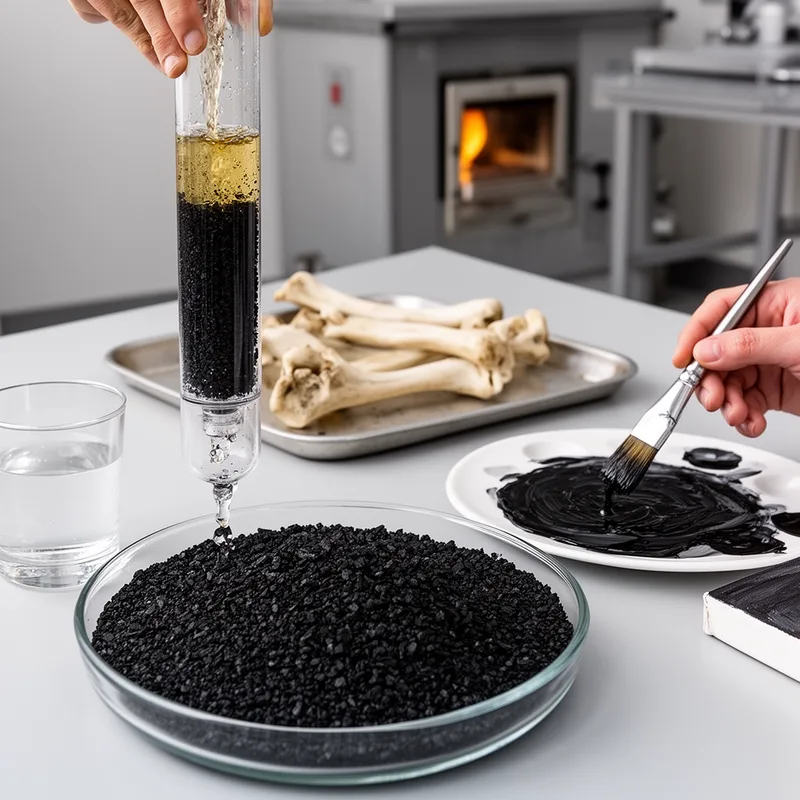
animal charcoal
- noun
- /ˈænɪməl ˈʧɑrkoʊl/
- Specialized
- In the nineteenth century, animal charcoal was widely used to decolorize sugar during refining.
Examples
-
The artist mixed animal charcoal with oil to create a deep, rich black color for the painting.
-
The water filtration system uses animal charcoal to remove impurities and improve taste.
-
The artist used animal charcoal for his sketches.
-
You can find animal charcoal in many art supply stores.
-
In the nineteenth century, animal charcoal was widely used to decolorize sugar during refining.
-
The water filtration system uses animal charcoal to remove impurities and improve taste.
-
The artist mixed animal charcoal with oil to create a deep, rich black color for the painting.
Synonyms
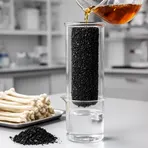
A black material made by burning animal bones used to colour or filter liquids
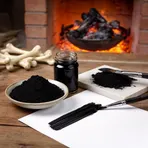
A black pigment made by burning animal bones for paint and ink

A black material made from burned animal bones used in paint and ink
Surface Forms
Morphology
The meaning is directly and literally compositional: 'animal' + 'charcoal' denotes charcoal derived from animals (charred animal bones), so a learner who knows both words can infer it refers to a black carbon material made from animals. Although somewhat technical/specialized, the formation follows transparent noun + noun compounding patterns and is predictable across languages, making it understandable to B1 learners.
Etymology
Animal charcoal comes from burning animal bones until they became black charcoal. That black powder was used to make very dark paint and to 'clean' or remove bad parts from sugar and water, so the name now means a black material made from charred bones used as a pigment and purifier.

