
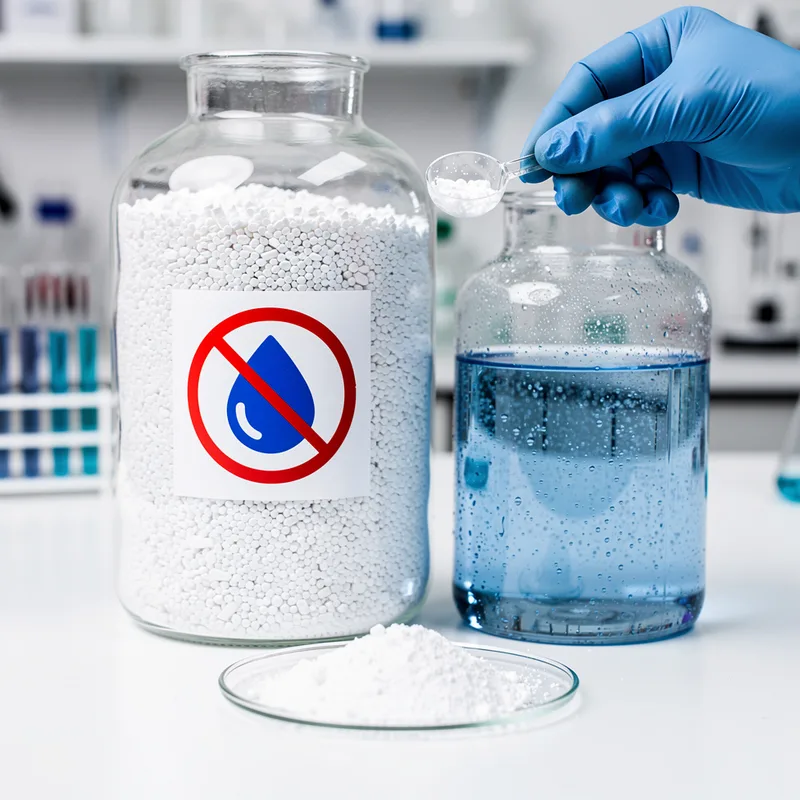
anhydrous
 1
9.8
1
9.8

- adjective
- /ænˈhaɪdrəs/
- Specialized
- Theft of anhydrous ammonia was once easy because distribution centers and farms seasonally kept it in unguarded tanks.
- anhydrous ammonia
- anhydrous ammonia tank
Examples
-
Chemical engineers often use anhydrous compounds because they provide more accurate reactions without the interference of water.
-
I can still remember the first anhydrous ammonia truck that began operating in our county.
Blog text (10) -
Greater efforts are now made to safeguard anhydrous ammonia.
Academic text (2006) -
The association has published a new set of standards for tank cars that carry anhydrous ammonia and chlorine.
Academic text (2007) -
As another example, a recent anhydrous ammonia theft near the Kentucky study area caused a massive leak, forcing the evacuation of nearby residents.
Academic text (2006) -
Kentucky participants also discussed local theft of anhydrous ammonia or mentioned stealing it in Illinois and Indiana.
Academic text (2006) -
Participants identified a variety of hazards linked to mishaps while stealing anhydrous ammonia.
Academic text (2006) -
Calcium sulfate, also known as anhydrous gypsum, is used commercially in the manufacture of cement, plasterboard, and glass.
Academic text (2007) -
In laboratories, anhydrous substances are essential for experiments that require absolute dryness.
-
When preparing the experiment, the scientist ensured that all the reagents were anhydrous to avoid any unwanted reactions.
Synonyms
 3
3.4
3
3.4
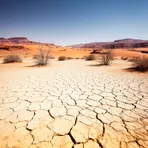
A place with no water that is very dry like a desert
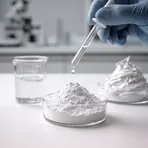
A substance that is not mixed with water and contains no water

Not containing water or using water to dissolve things
Antonyms


Compounds


- Specialized
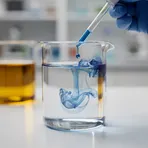
A thick, water-free substance that you use to mix medicines for the skin
How Dry

Surface Forms
Morphology
Etymology
The word anhydrous comes from the Greek parts an- 'not' and hydr- 'water', the same hydr- you see in hydrant or hydrogen. So an anhydrous substance is 'without water', used in chemistry for a material that contains no water.