
angiocarpic
- adjective
- /ˌændʒiˈoʊkɑːrpɪk/
- Specialized
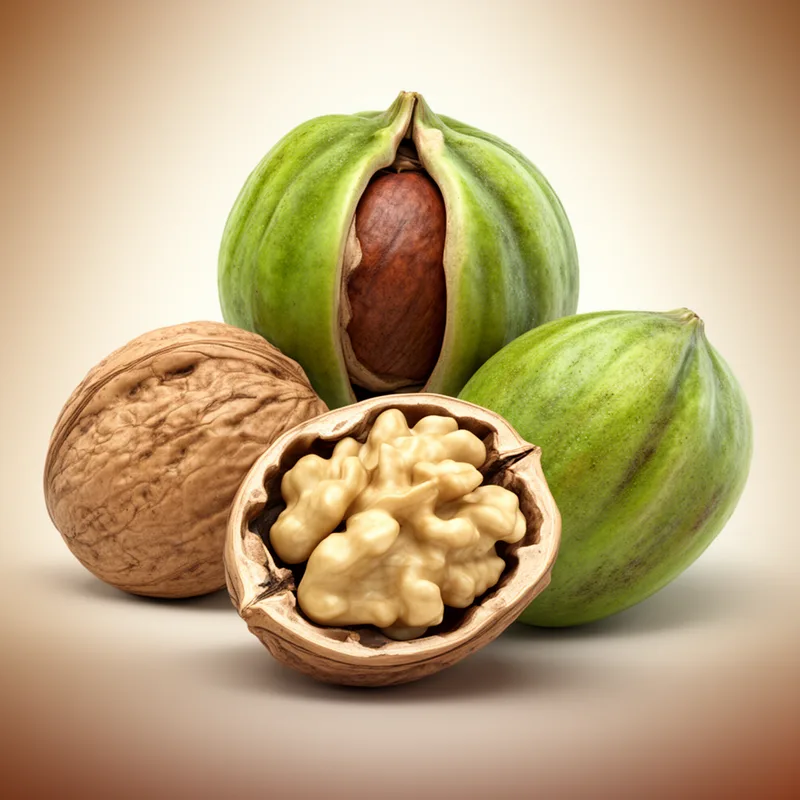
- The walnut is an example of an angiocarpic fruit because its seeds are protected by a hard shell.
Examples
-
Botanists often classify nuts as angiocarpic when referring to their enclosed seeds.
-
Many plants in this family produce angiocarpic fruits, making them distinct from those with exposed seeds.
-
The angiocarpic fruits of the plant are quite unique.
-
Is the avocado considered angiocarpic?
-
The walnut is an example of an angiocarpic fruit because its seeds are protected by a hard shell.
-
Many plants in this family produce angiocarpic fruits, which have their seeds enclosed within a husk.
-
Botanists often classify nuts as angiocarpic due to their seeds being contained in a protective covering.
Synonyms
Having the fruit kept inside a shell or husk
Surface Forms
Morphology
angiocarpic = angiocarp (opaque) = angio + carp + ic
The term 'angio' is not a standalone English word and requires specialized knowledge to understand its meaning related to 'vessels' or 'enclosed'.
Etymology
Angiocarpic comes from two Greek parts: angio- meaning 'container' or 'vessel' and -carpic from karpos meaning 'fruit', so it pictures a 'fruit in a container'. That's why angiocarpic describes fruits whose seeds are kept inside a shell, husk, or other covering.

