
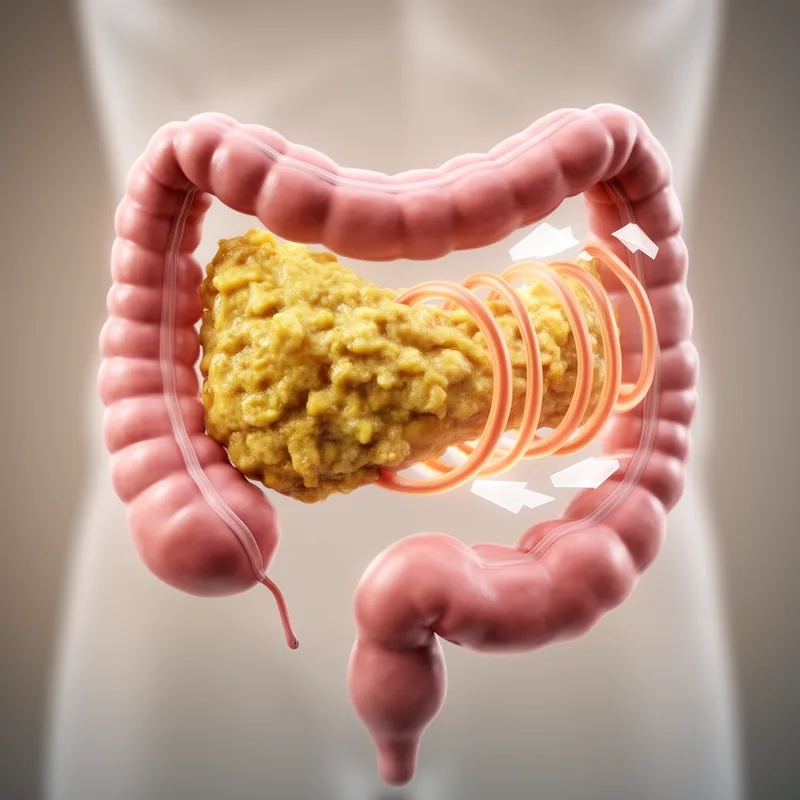
anastalsis
- noun
- /ˌænəˈstælsɪs/
- Specialized
- In rare disorders, anastalsis may cause the contents of the intestine to move backward.
Examples
-
The doctor explained how anastalsis differs from the more common process of peristalsis.
-
Researchers observed anastalsis in animal models when studying reflux conditions.
-
The doctor explained that anastalsis can occur in certain conditions.
-
Can anastalsis lead to digestive issues?
-
In rare disorders, anastalsis may cause the contents of the intestine to move backward.
-
Researchers observed anastalsis in animal models during their studies of reflux conditions.
-
The doctor explained how anastalsis is a reverse movement in the alimentary tract, unlike peristalsis.
Antonyms
- Specialized
 2
8.6

Automatic wavelike muscle movements in the digestive system that push food along
Surface Forms
Morphology
anastalsis = peristalsis (opaque) = ana + stalsis
Modeled on 'peristalsis' but uses a non-standalone combining form 'stalsis' and is a specialized medical term unlikely to be inferable by average learners.
Etymology
The word anastalsis comes from the Greek prefix ana- meaning 'up' or 'back' and the same root as peristalsis, the 'wave-like' muscle movement that pushes food through the gut. So, anastalsis means a backward or reverse muscle wave in the intestines, which is why it moves contents the wrong way.