
ambidextrousness
- noun
- /ˌæmbɪˈdɛkstrəsnəs/
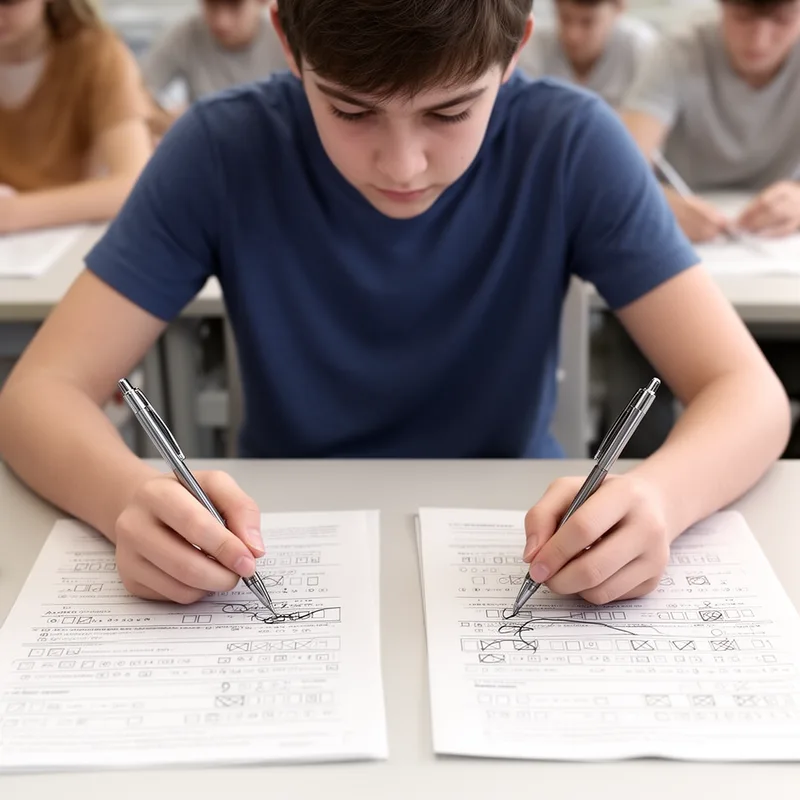
- Some artists are known for their ambidextrousness, painting with both hands simultaneously.
Examples
-
Her ambidextrousness allows her to write with both hands.
-
The baseball player's ambidextrousness gave him a significant advantage on the field.
-
His ambidextrousness allowed him to write with either hand during the exam.
-
He demonstrated remarkable ambidextrousness during the game.
-
His ambidextrousness allowed him to write with either hand during the exam.
-
The baseball player's ambidextrousness gave him a significant advantage on the field.
-
Some artists are known for their ambidextrousness, painting with both hands simultaneously.
Synonyms

Ability to use both hands equally well

A skill where a person uses both hands equally well

To use both hands equally well, for example when writing or playing an instrument
Antonyms

How Ambidextrous

- Specialized
 7
4.9
7
4.9

Surface Forms
Morphology
ambidextrousness = ambidextrous (transparent) = ambi + dextrous + ness
Standard noun formation from the adjective 'ambidextrous' using the productive suffix '-ness'.
Etymology
Ambidextrousness comes from the parts ambi- meaning 'both' and dexter meaning 'right', and it shares the same root as dexterity, which means skill with the hands. So ambidextrousness suggests having 'both right hands' and means the ability to use both hands equally well.