
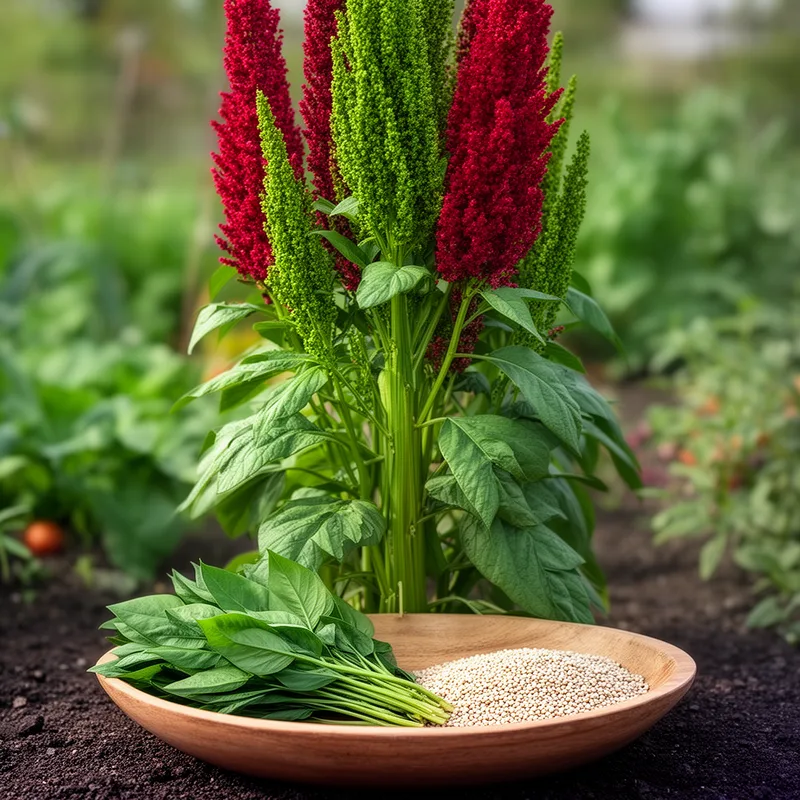
amaranth
 1
8.6
1
8.6

- noun
- /ˈæməˌræntθ/
- Never did the ears of green maize, the gourds, the squash blossoms, the heads of amaranth, the green chilis, the tomatoes, the green beans, the cempoalxochitl marigold fail.
- green amaranth
Loading YouTube…
Watch on YouTubeLast year, mid-july I was planting cosmos, nasturtiums, marigolds, morning glory, amaranth.
- Last year, mid-july I was planting cosmos, nasturtiums, marigolds, morning glory, amaranth.
Examples
-
In traditional dishes, amaranth is often used alongside quinoa for added protein.
-
I commend amaranth and quinoa to the consideration of those whose growing seasons permit.
Blog text (3) -
Amaranth and callaloo are interesting examples of this.
Academic text (2004) -
I incorporate the three shades of quinoa and amaranth with my rice when I cook it.
Blog text (29) -
We've got some red spike amaranth self seeded from last year.
-
We've also got some cosmos in here, amaranth, nasturtiums here, which are looking beautiful.
-
That species, as well as green amaranth, common milkweed, and pokeweed, were used as potherbs.
Academic text (1991) -
Basmati rice, 1/2 cup white quinoa, 1/4 cup each of red quinoa, black quinoa, and amaranth.
Blog text (29) -
I left a message of five words on a scrap of paper and took myself to a stranger's grainfield under a high, gray, dribbling sky, where I gathered in the amaranth crop as though my future depended on it.
Fiction book (1990) -
The farmers grew amaranth for its nutritious edible leaves and seeds.
Synonyms
A group of plants with bright flowers and seeds you can eat
Compounds


- Specialized
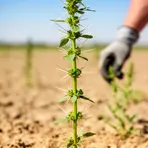
A plant that grows upright and lives one year with pairs of sharp spines at many leaf joints
Surface Forms
Etymology
Amaranth comes from Greek parts a- 'not' and marainō 'to fade', so the original idea is 'unfading'. The plant was named for its bright, long-lasting flowers, which is why we still call the whole plant amaranth today.