

alveolus


 1
8.2
1
8.2
- noun
- /ælˈviːələs/
- Specialized
- The alveolus plays a crucial role in the respiratory system by facilitating gas exchange.
Loading YouTube…
Watch on YouTubeWell, your alveoli have a tendency to collapse.
- Well, your alveoli have a tendency to collapse.
Examples
-
Each alveolus is surrounded by tiny capillaries that help transport oxygen into the bloodstream.
-
Scarring of the spaces between the alveoli causes the stiffness.
-
Well, your alveoli have a tendency to collapse.
-
This blood absorbs oxygen from the inflated alveoli and leaves behind carbon dioxide.
-
Organisms contained in droplet nuclei land in the alveoli, which are the n-terminal sacs of the lungs.
-
Oxygen from the air travels through the thin walls of the alveolus and into the surrounding blood vessels.
Synonyms

A small pocket in the lungs where air moves into the blood
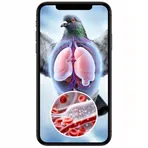
A thin sac in birds and some other animals that holds air and helps them breathe
Surface Forms
Etymology
Alveolus comes from the Latin alveus, which means 'hollow' or 'trough', so it originally meant a 'small hollow'. Think of each lung alveolus as a tiny hollow where air meets blood, which is why the word names the little air sacs that help breathing.