
alpha fetoprotein
- noun
- /ˈælfə ˌfiːtəˈproʊtiːn/
- Specialized
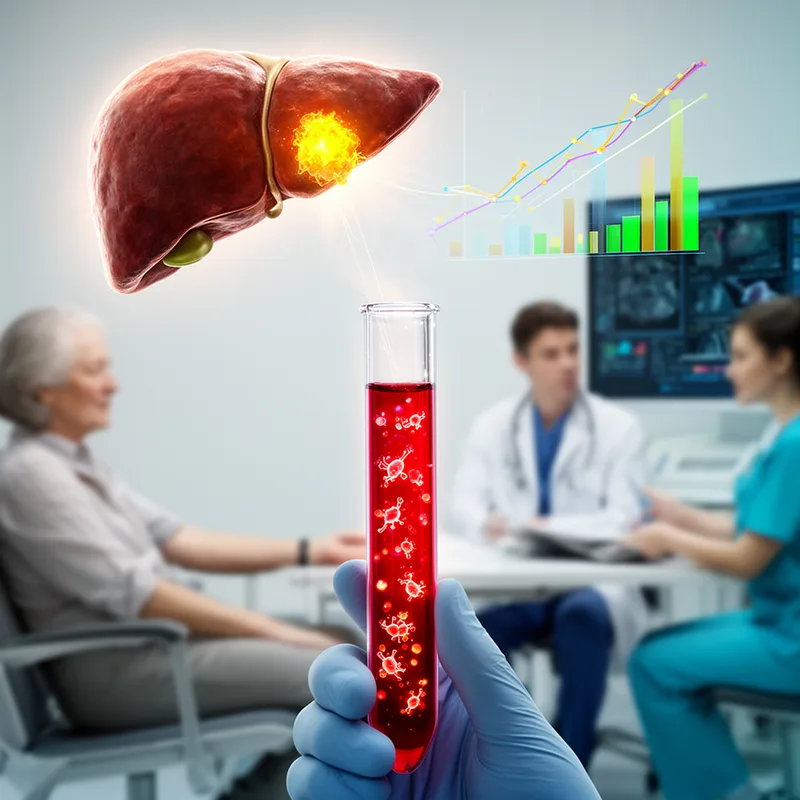
- Clinicians monitor alpha fetoprotein levels to help diagnose and manage liver cancer.
Examples
-
An elevated alpha fetoprotein result prompted further imaging to check for possible hepatocellular carcinoma.
-
During follow-up, her alpha fetoprotein concentration fell after successful chemotherapy for a germ cell tumor.
-
The doctor tested for alpha fetoprotein levels in the blood.
-
Elevated alpha fetoprotein can indicate liver cancer.
-
Clinicians monitor alpha fetoprotein levels to help diagnose and manage liver cancer.
-
An elevated alpha fetoprotein result prompted further imaging to check for possible hepatocellular carcinoma.
-
During follow-up, her alpha fetoprotein concentration fell after successful chemotherapy for a germ cell tumor.
Synonyms

 12
7.5
12
7.5

A protein made by a baby before birth that can show birth problems


 1
9.9
1
9.9
A protein found in an unborn baby and sometimes in adults with certain cancers
Surface Forms
Morphology
The phrase is compositional: 'alpha' functions as a subtype/specifier and 'fetoprotein' names a protein associated with fetuses, so the core referent 'an alpha-type fetoprotein' is directly derivable from the constituents. It is a technical biomedical term (so clinical implications like its use as a tumour marker require domain knowledge), but morphologically the meaning is transparent to a learner who knows both words.
Etymology
Alpha fetoprotein keeps the same name because it is the protein that comes from the fetus and was called alpha when first found. Because adults normally have very low amounts, a rise in this protein in an adult often shows certain 'tumors', so doctors use it as a 'tumor marker'.