
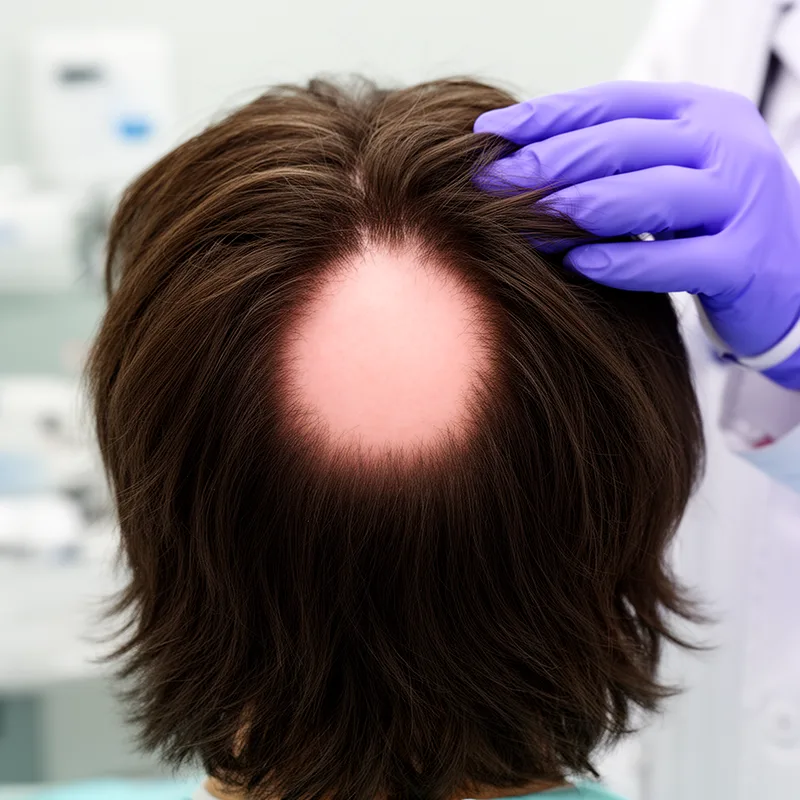
alopecic
- adjective
- /ˌæloʊˈpɛsɪk/
- Specialized
- The doctor noted an alopecic patch on the patient's scalp during the examination.
Examples
-
The alopecic patches on his scalp were noticeable.
-
Some birds may develop alopecic areas due to parasite infestations or nutritional deficiencies.
-
Researchers observed alopecic symptoms in several laboratory animals after they were exposed to the chemical.
-
Don't be ashamed if you're alopecic!
-
Some birds may develop alopecic areas due to parasite infestations or nutritional deficiencies.
-
Researchers observed alopecic symptoms in several laboratory animals after they were exposed to the chemical.
-
The doctor noted an alopecic patch on the patient's scalp during the examination.
Synonyms

 26
1.7
26
1.7

Having no fur or small threads that grow on the skin

 1
2.7
1
2.7
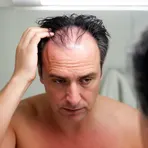
Starting to lose hair on the head
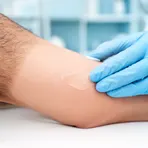
A part of the body that has no hair

A person with no hair on their head
How Hairless

Surface Forms
Morphology
Etymology
Alopecic comes from a Greek root alopec- that means 'fox', because foxes with a skin disease often lose their fur. So alopecic is used to describe loss of hair, wool, or feathers.